

STAMP: Nudging Commuter Behaviour

STAMP: Nudging Commuter Behaviour
Stats at a Glance
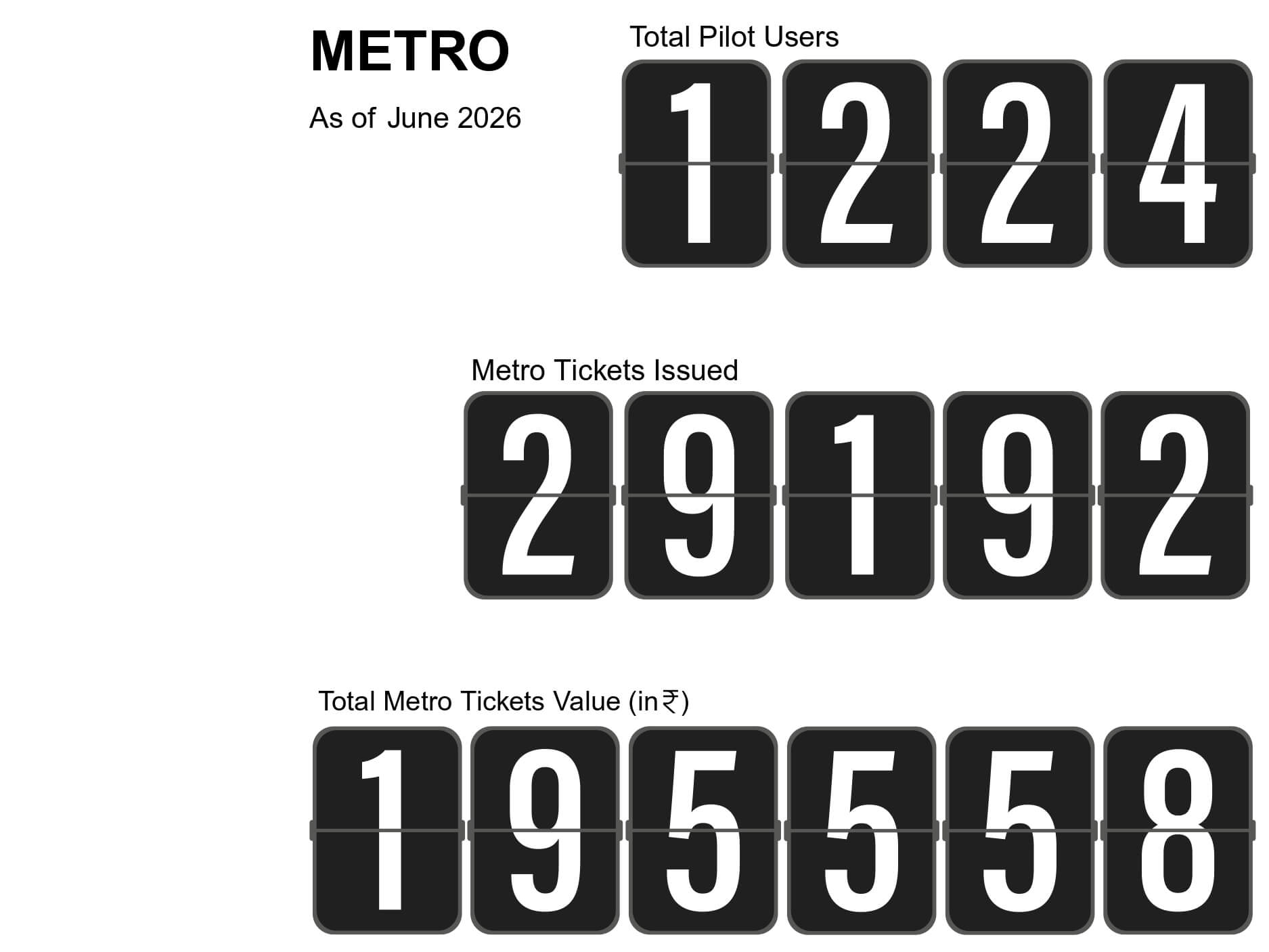
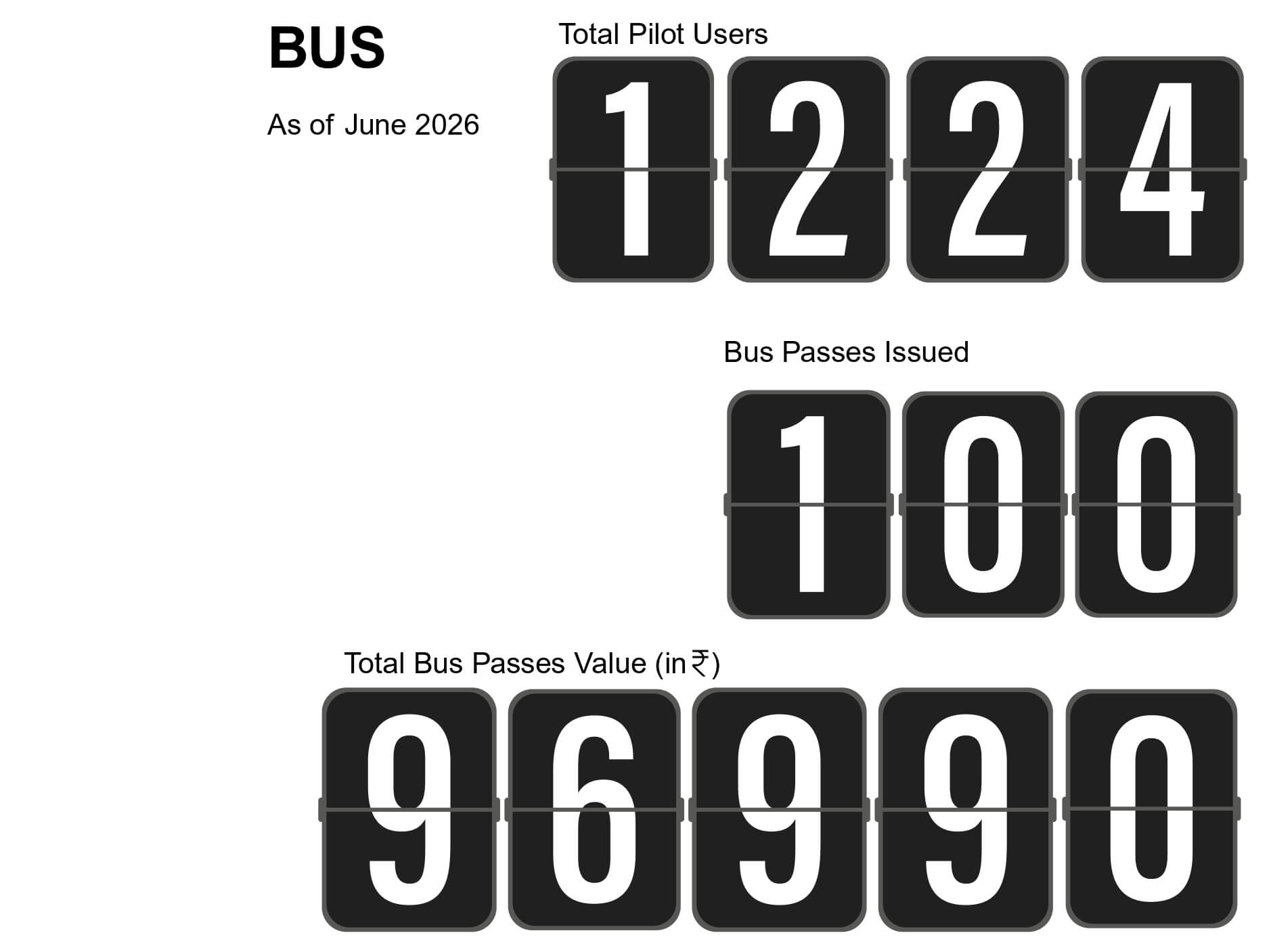
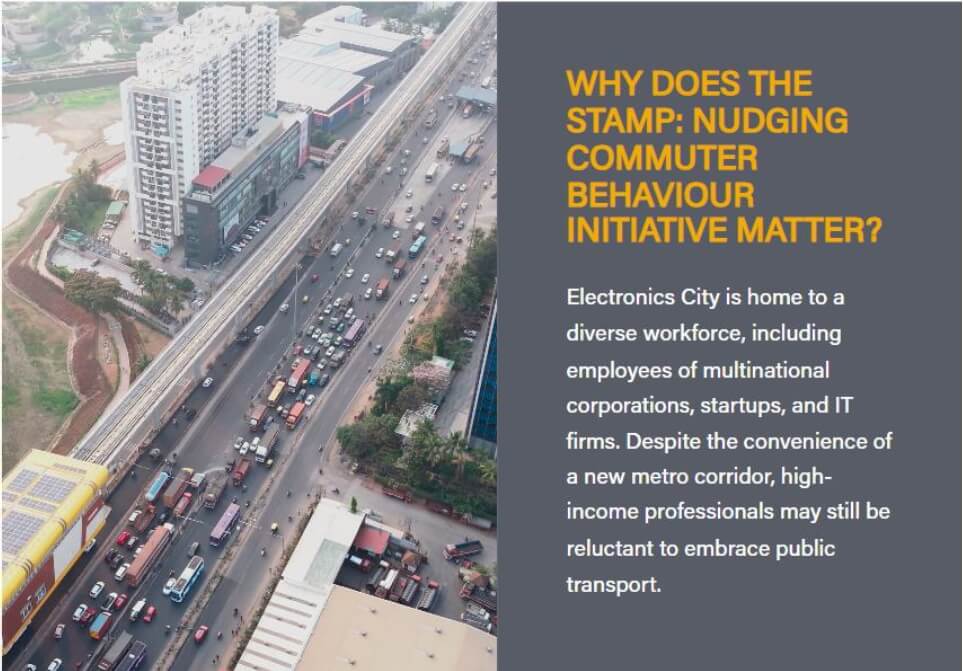
Our research from previous STAMP cohorts highlights that behavioural barriers—such as convenience, social norms, and lack of information—often deter high-income users from preferring public transport.
As part of this broader initiative, from TMF and WRI India, this iteration of the Station Access and Mobility Program (STAMP) launched an innovation challenge, STAMP: Nudging Commuter Behaviour on April 11, 2025, inviting startups, technology firms, and solution providers to co-develop scalable mobility interventions that can increase metro usage, especially in last-mile segments.
It leverages behavioral science and technology-based interventions to influence commuter choices. Through strategies like social norm campaigns, incentive-based programs, and gamification, this initiative aims to make public transport more attractive to commuters.
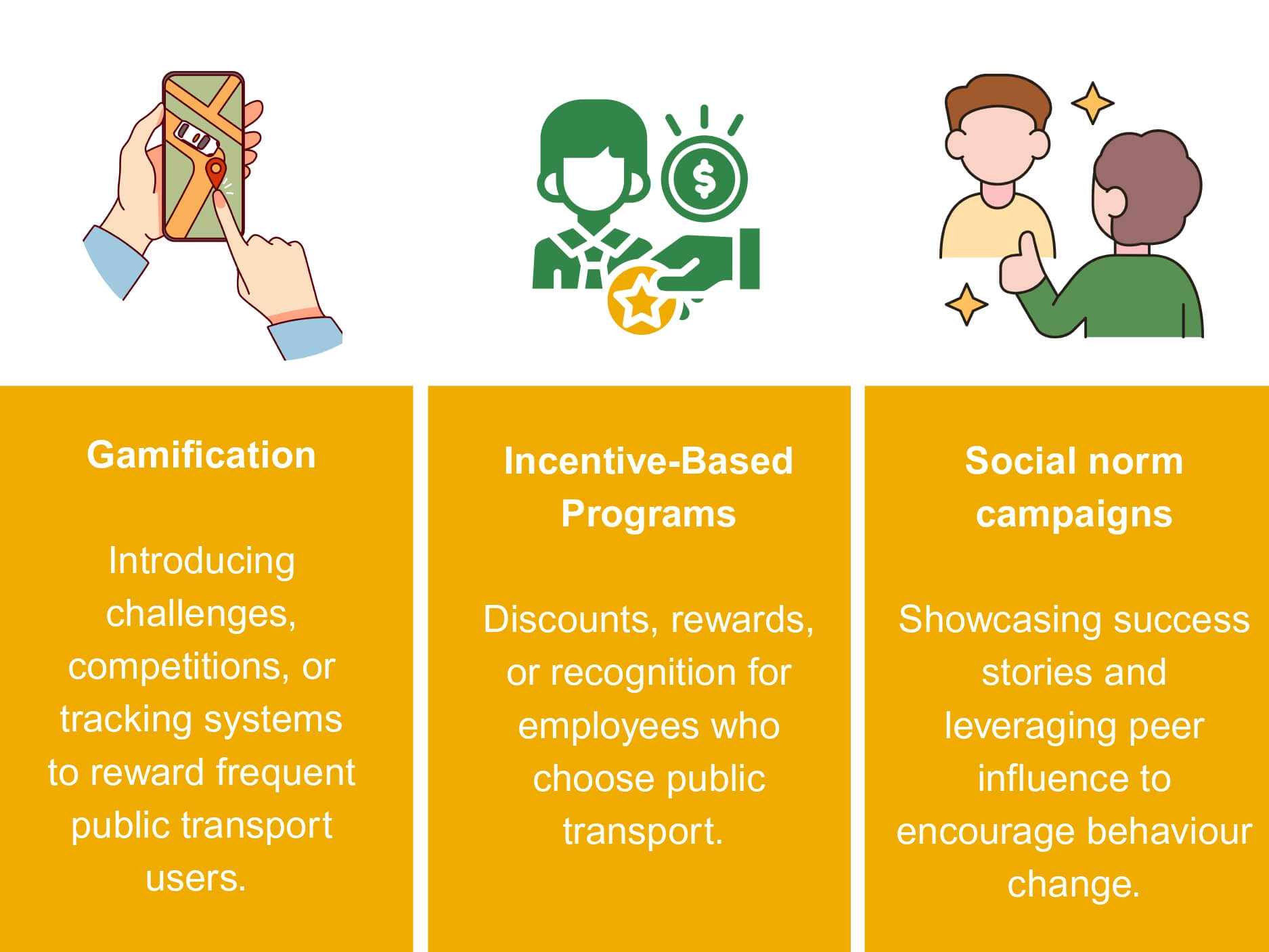
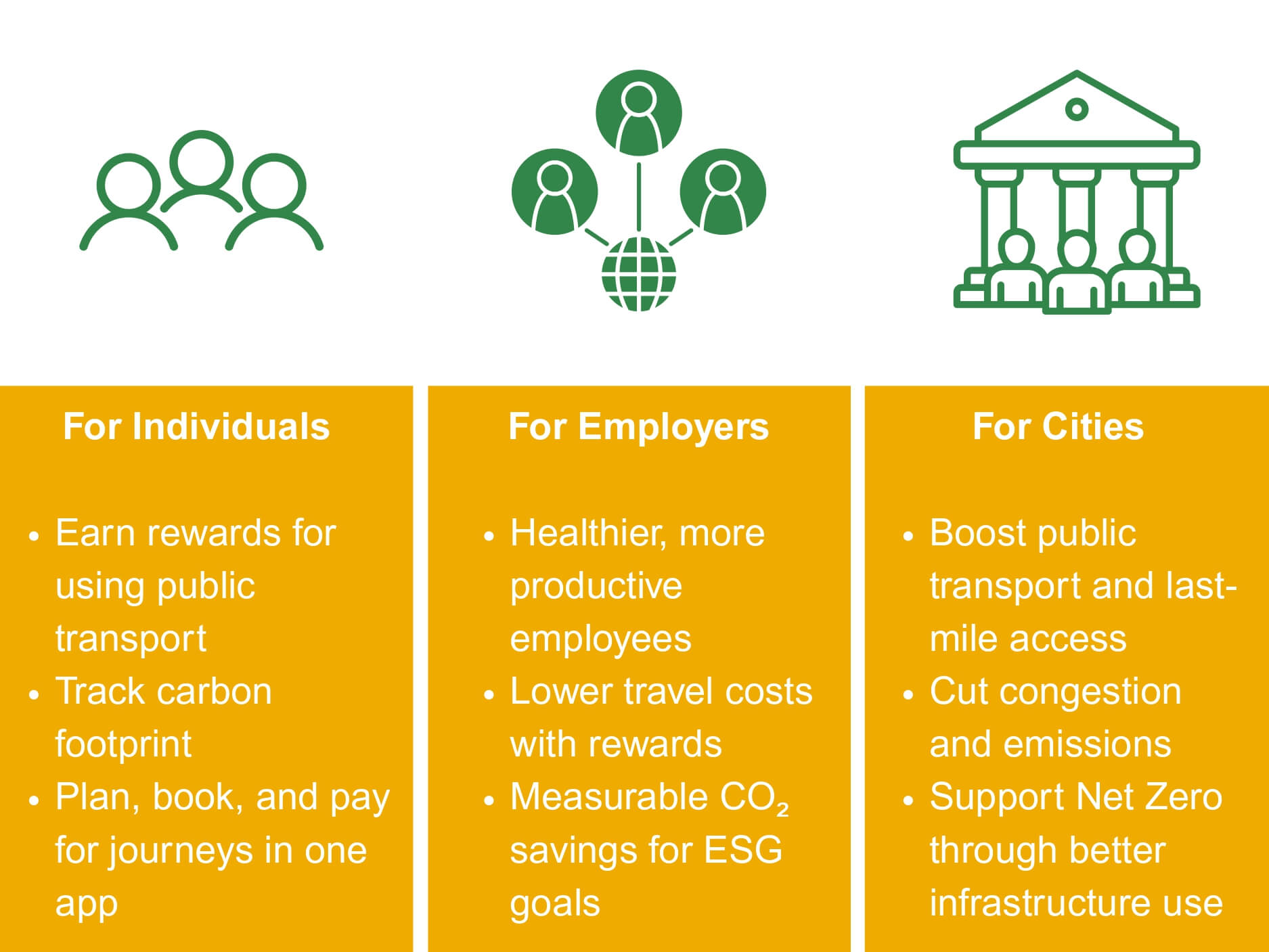
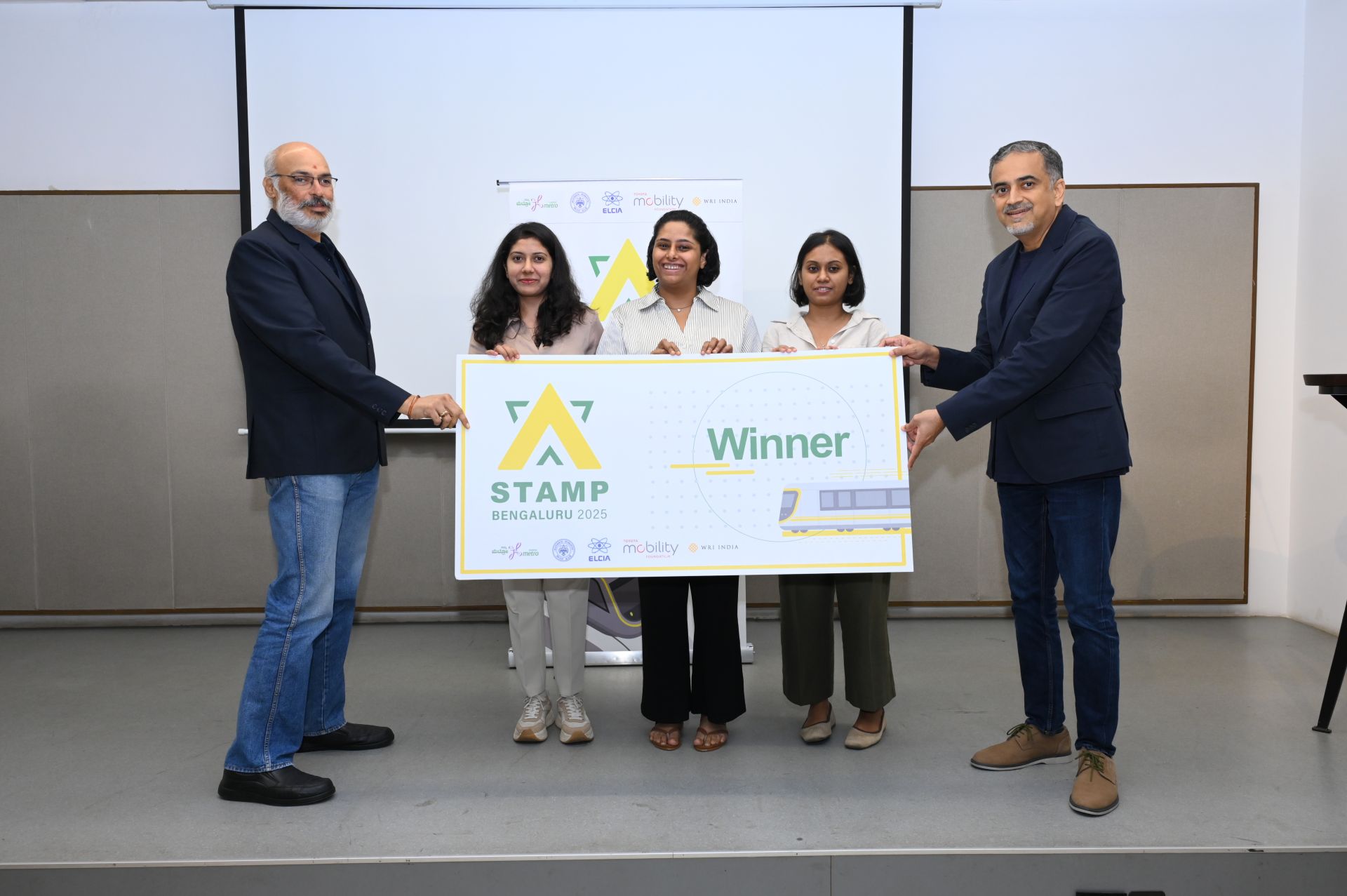
Winners of the STAMP: Nudging Commuter Behaviour Challenge
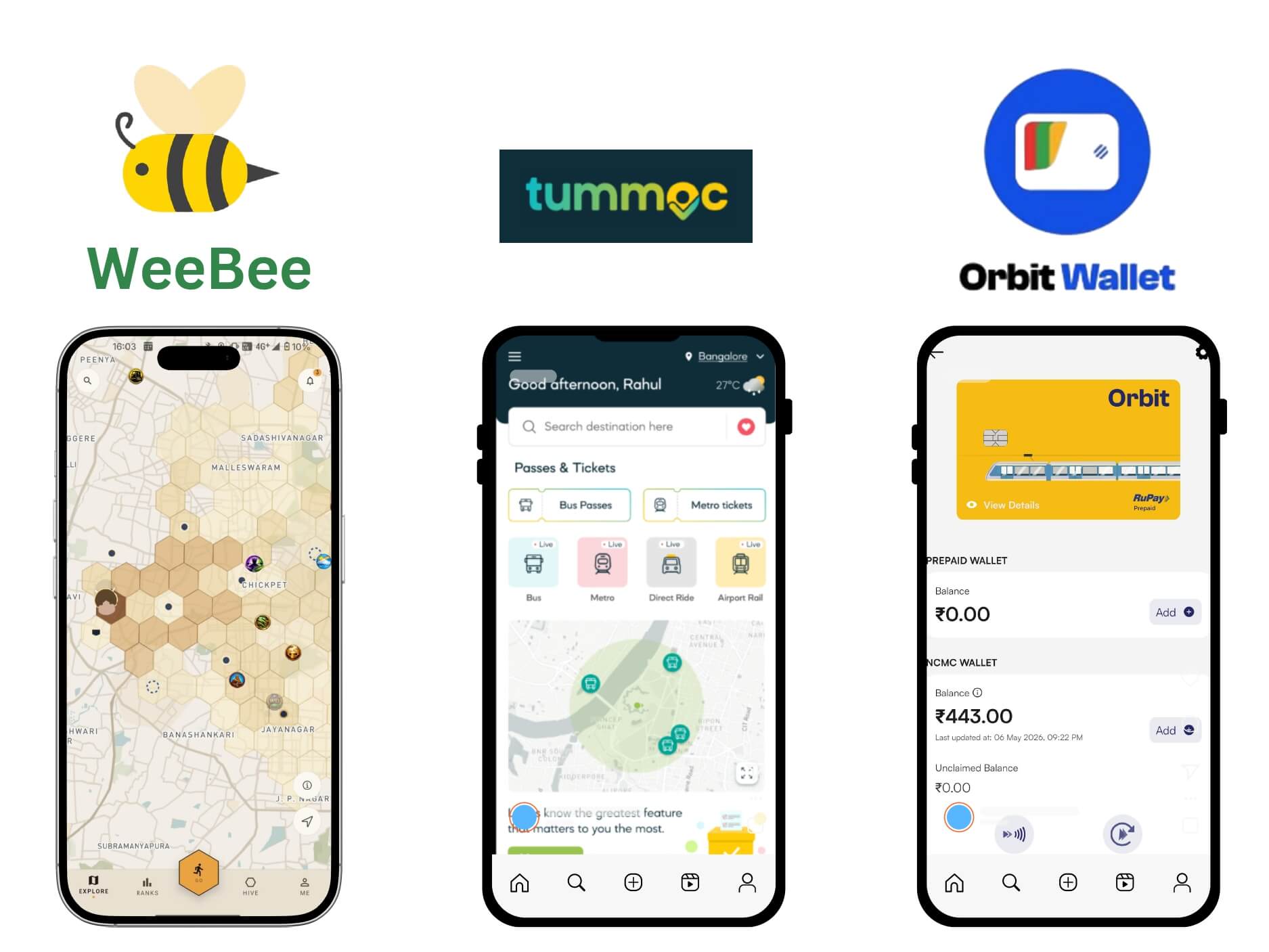
Now Corporates can
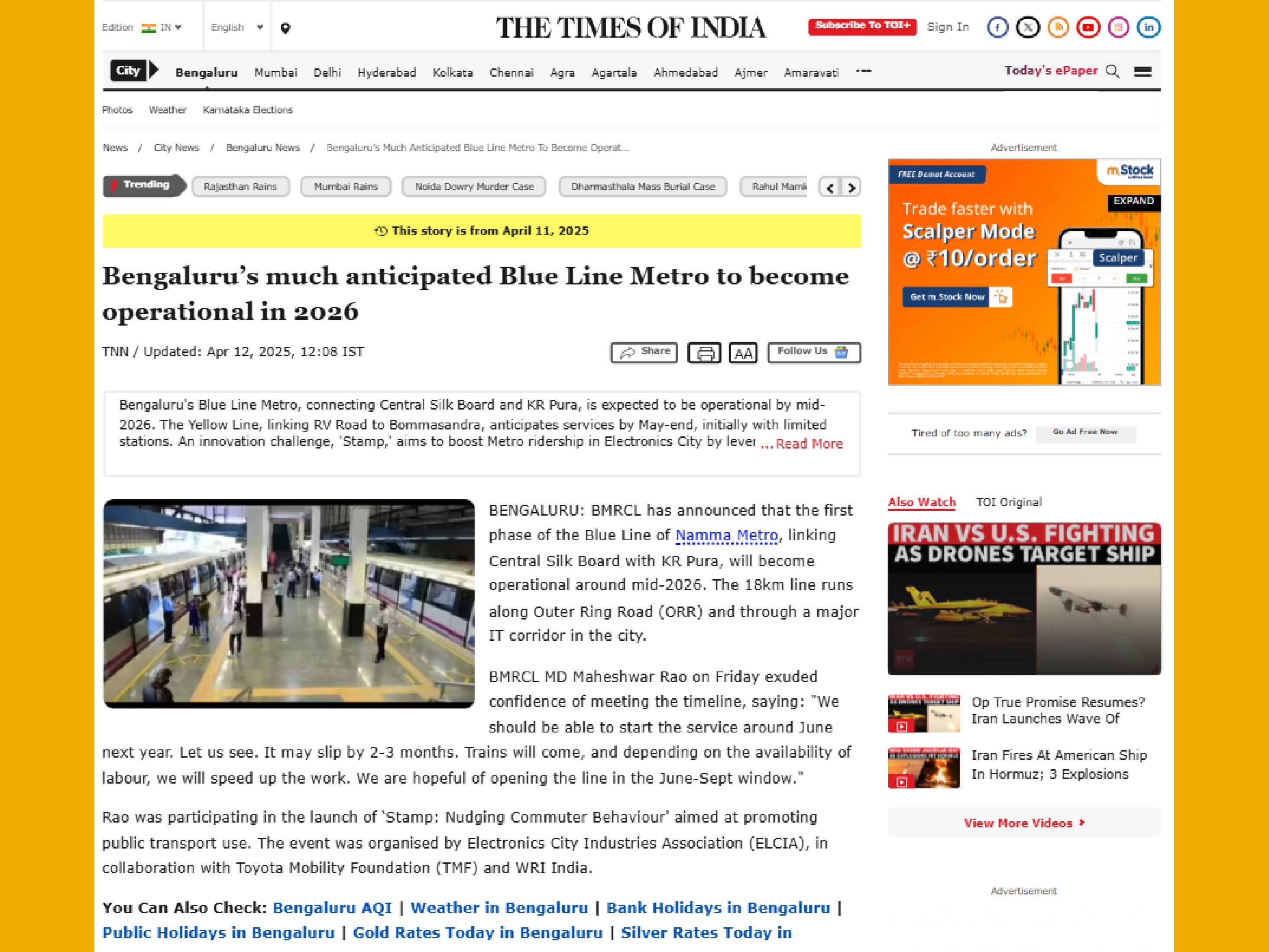
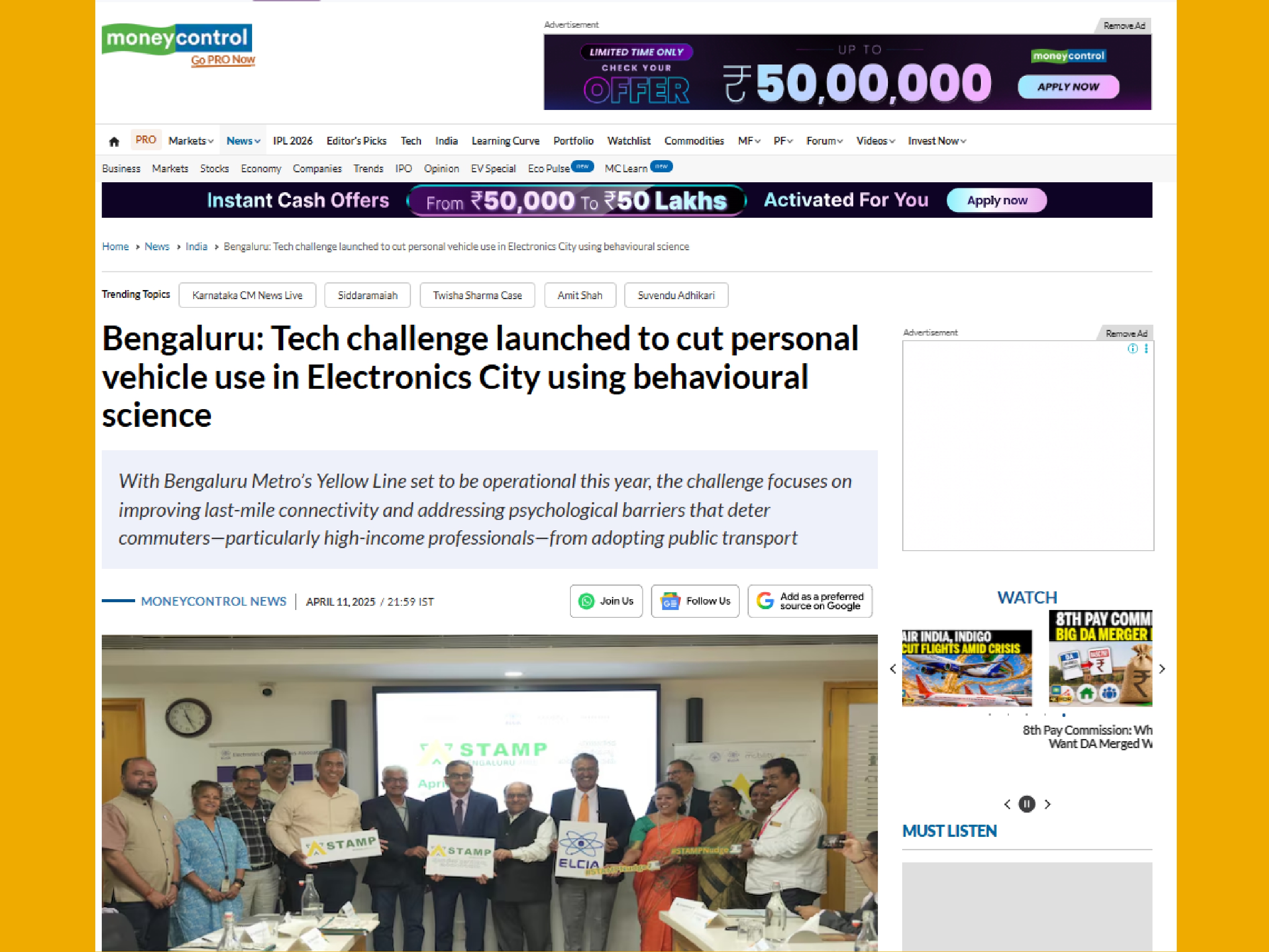
STAMP: Nudging Commuter Behaviour in News
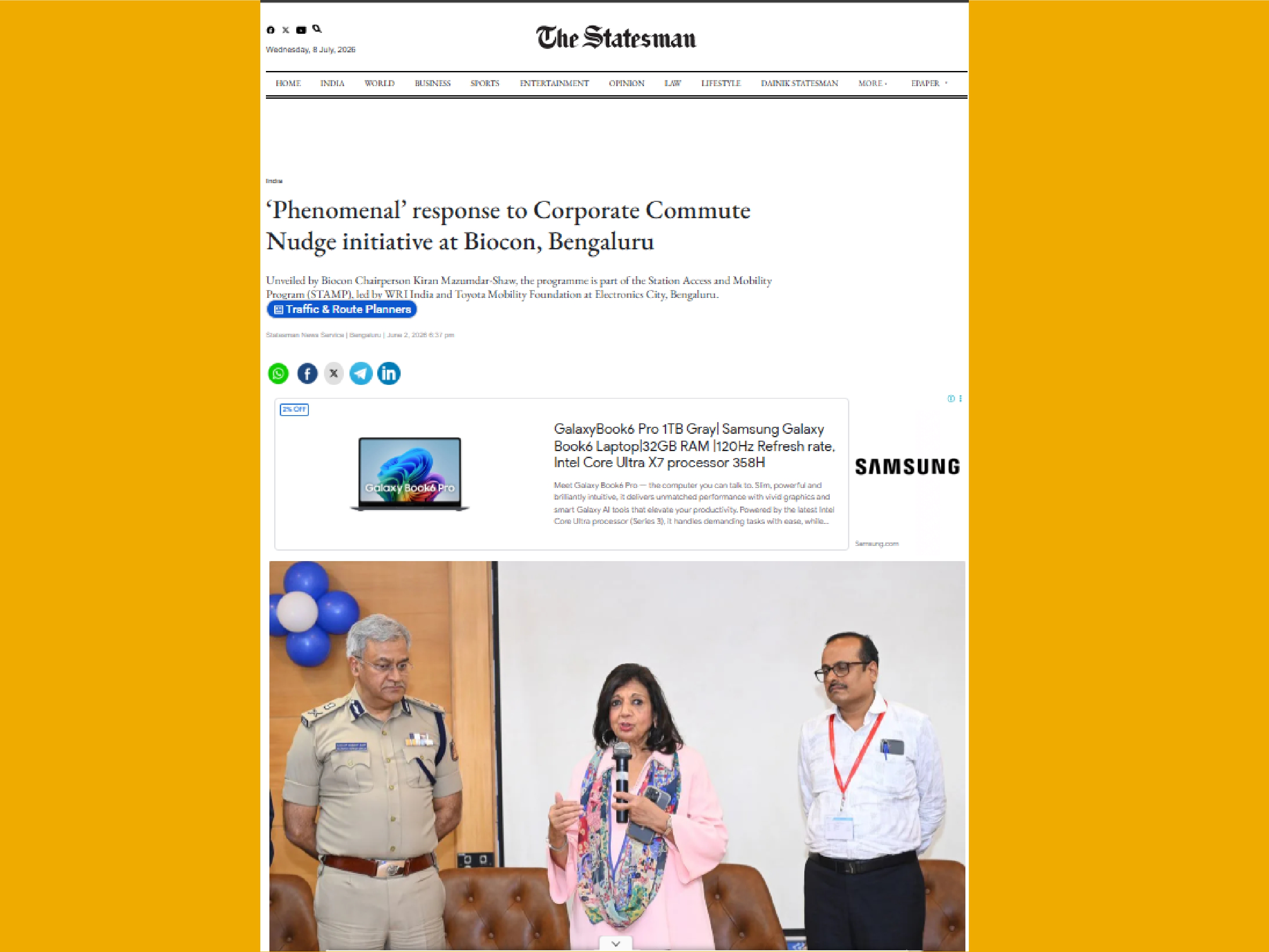
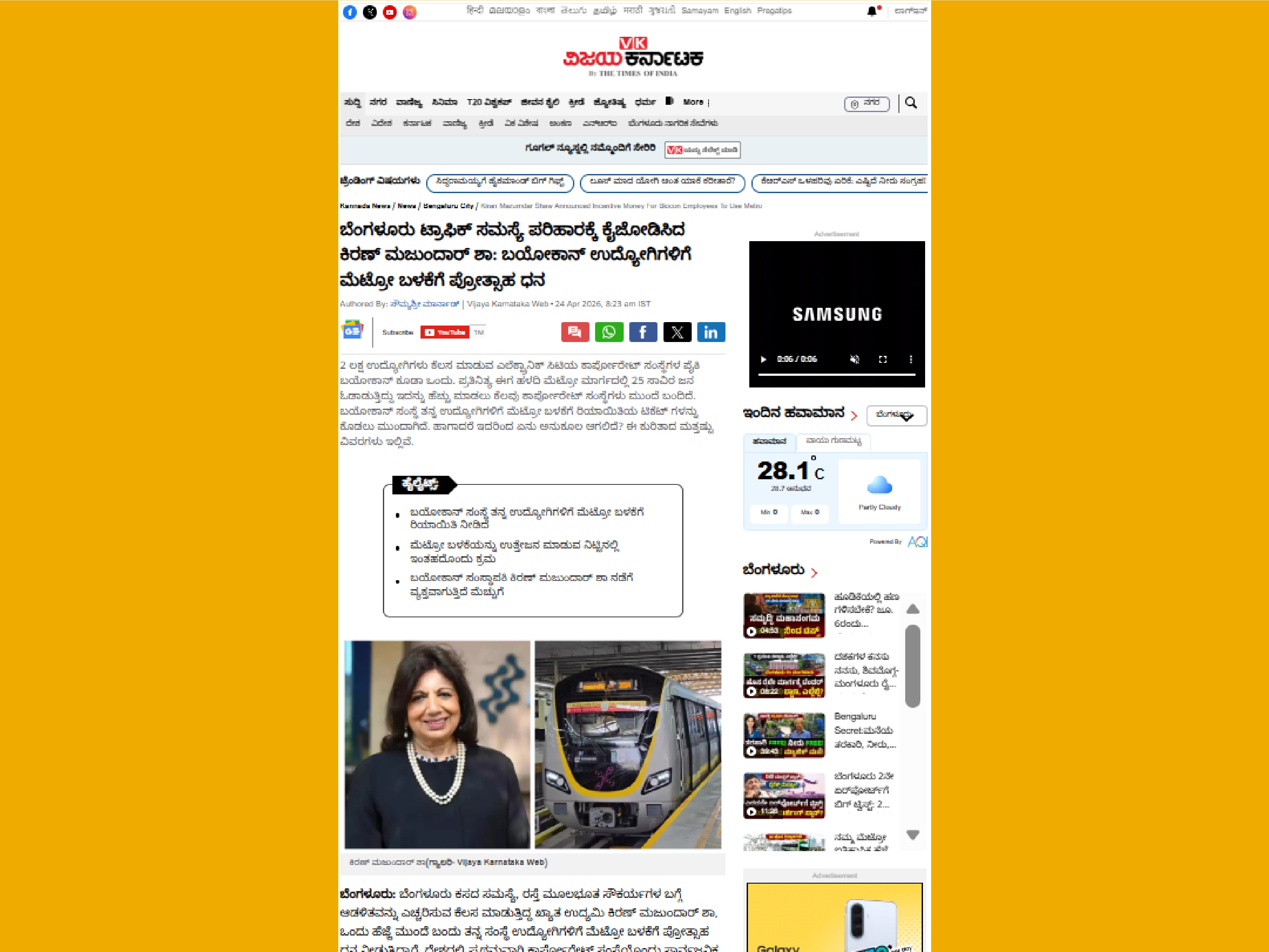
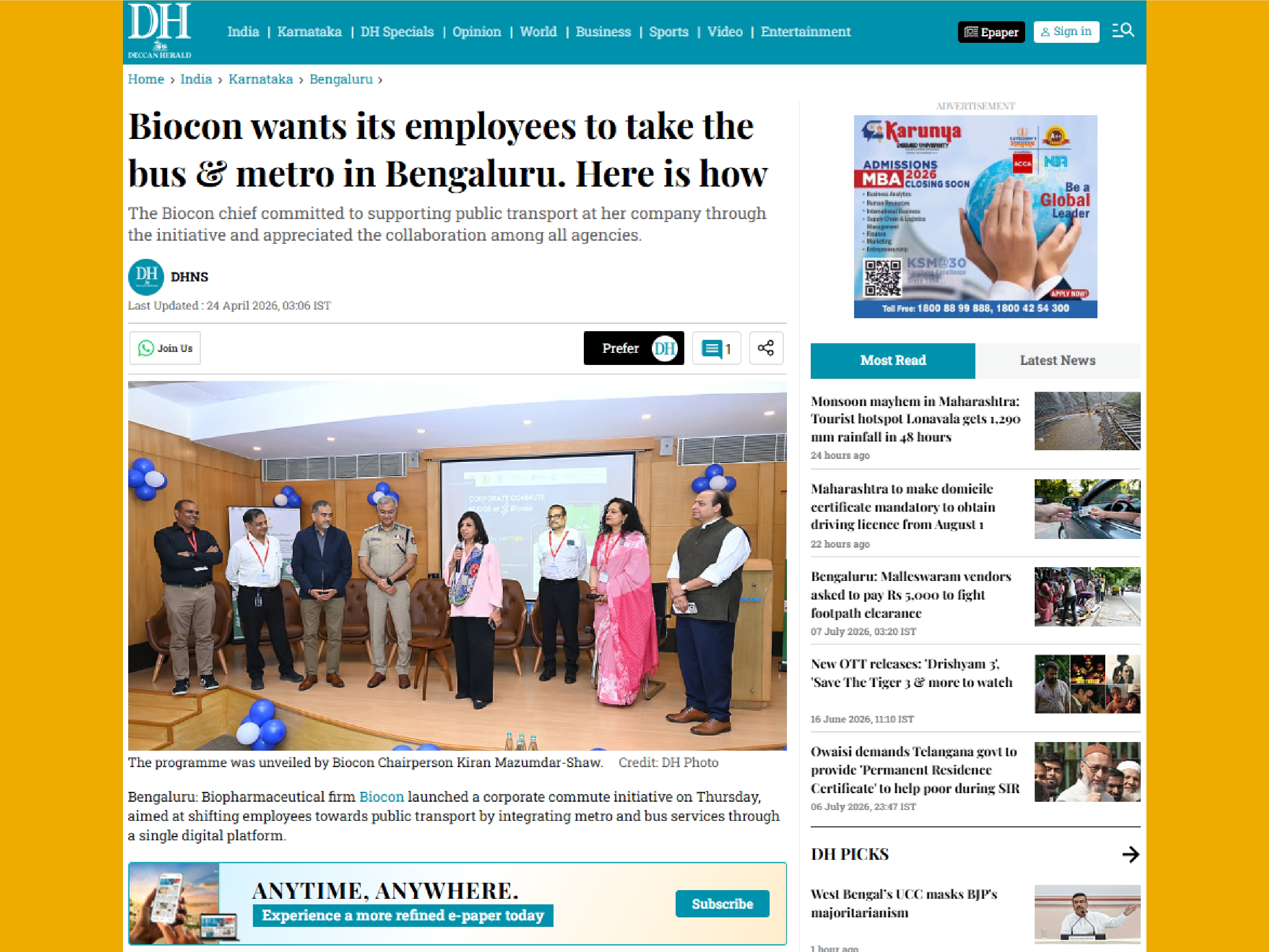
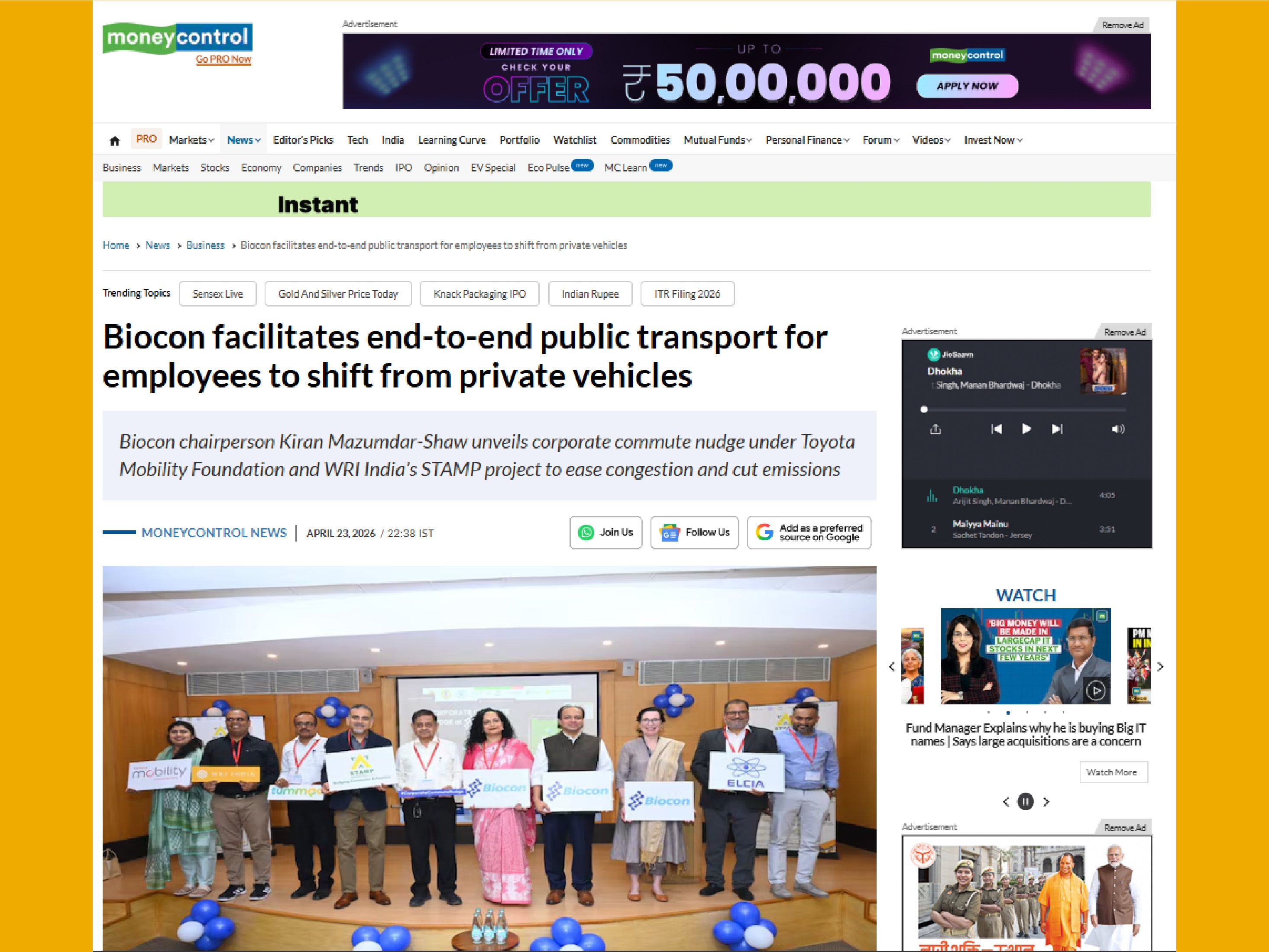
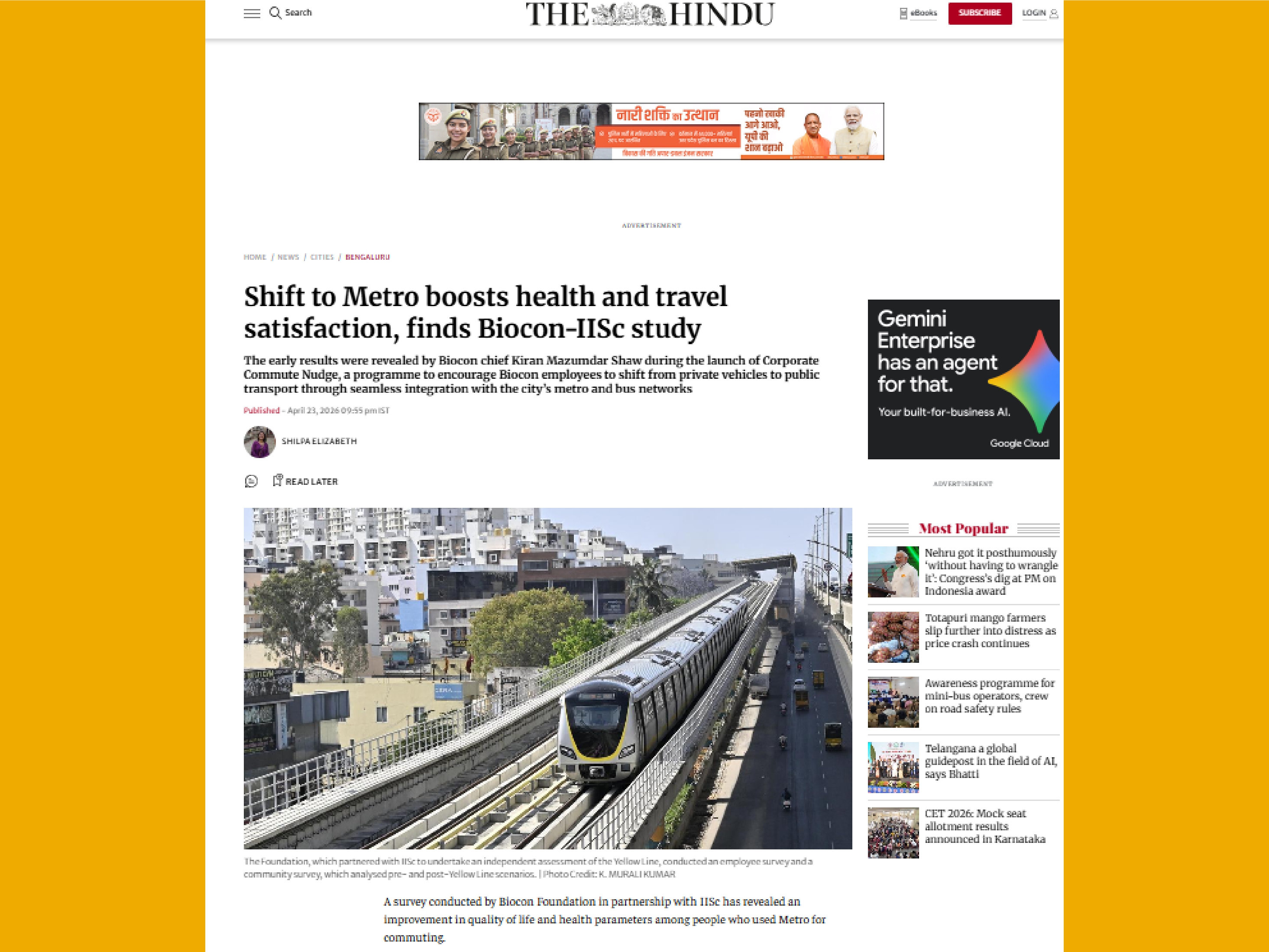
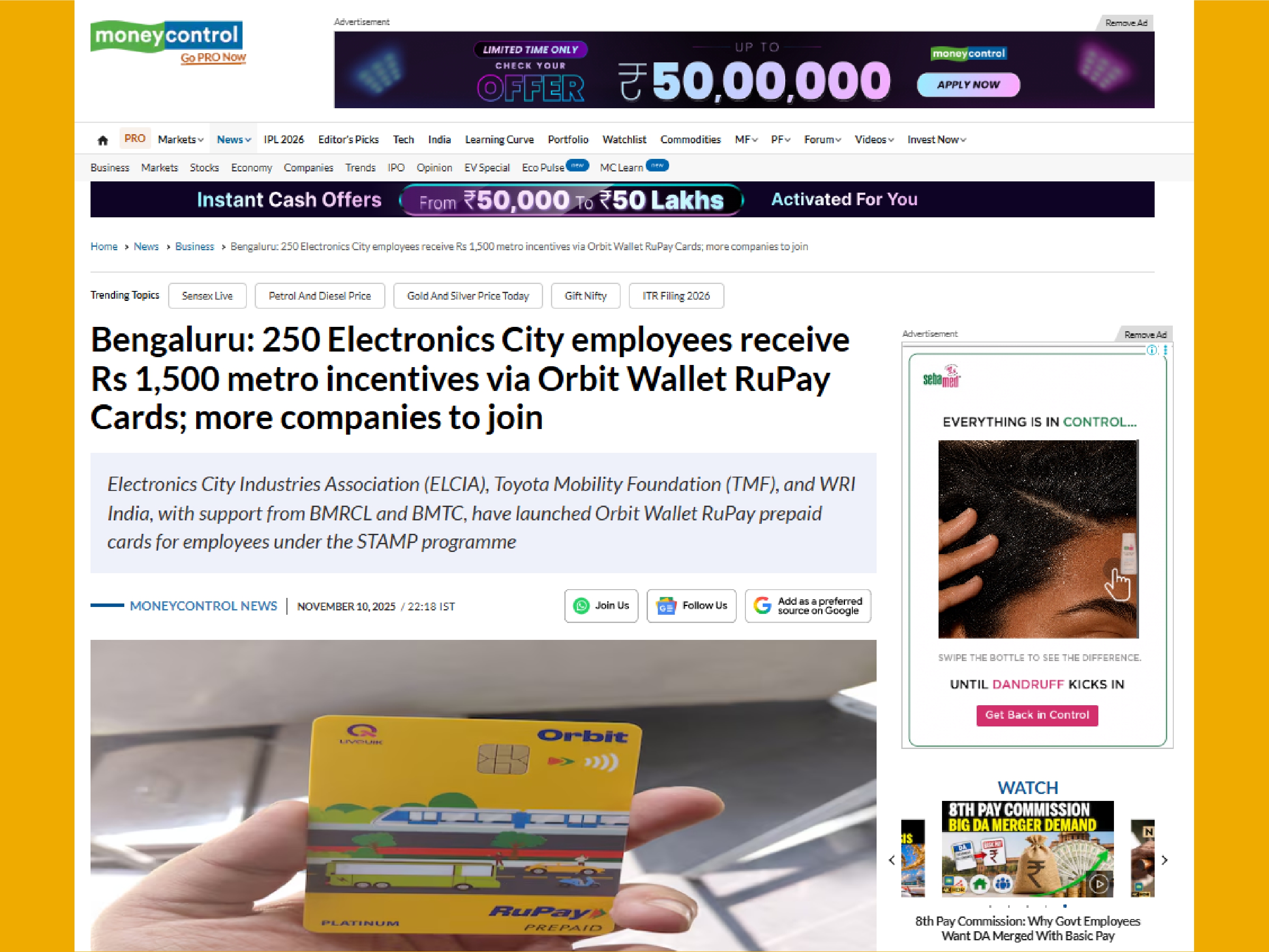
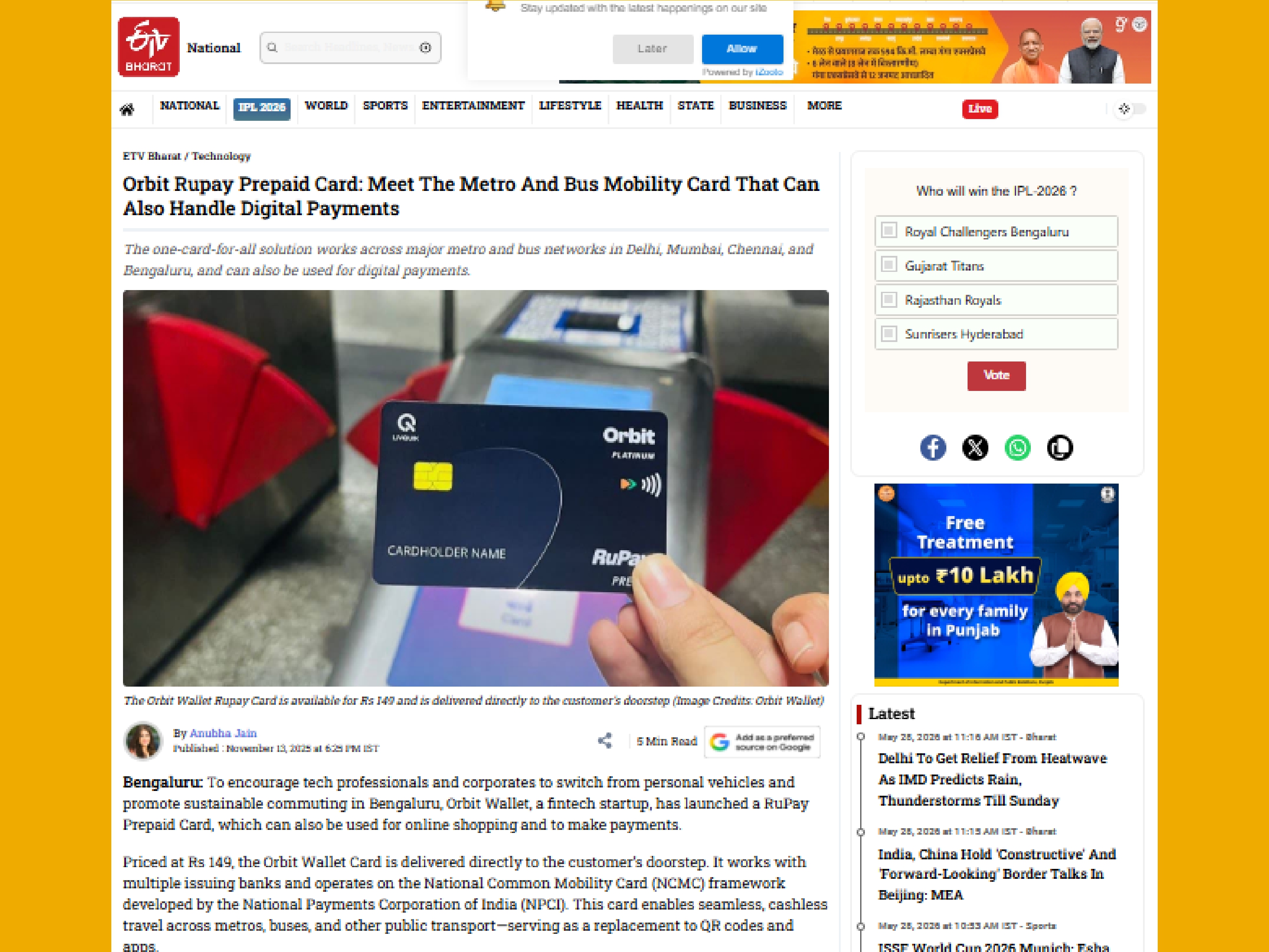
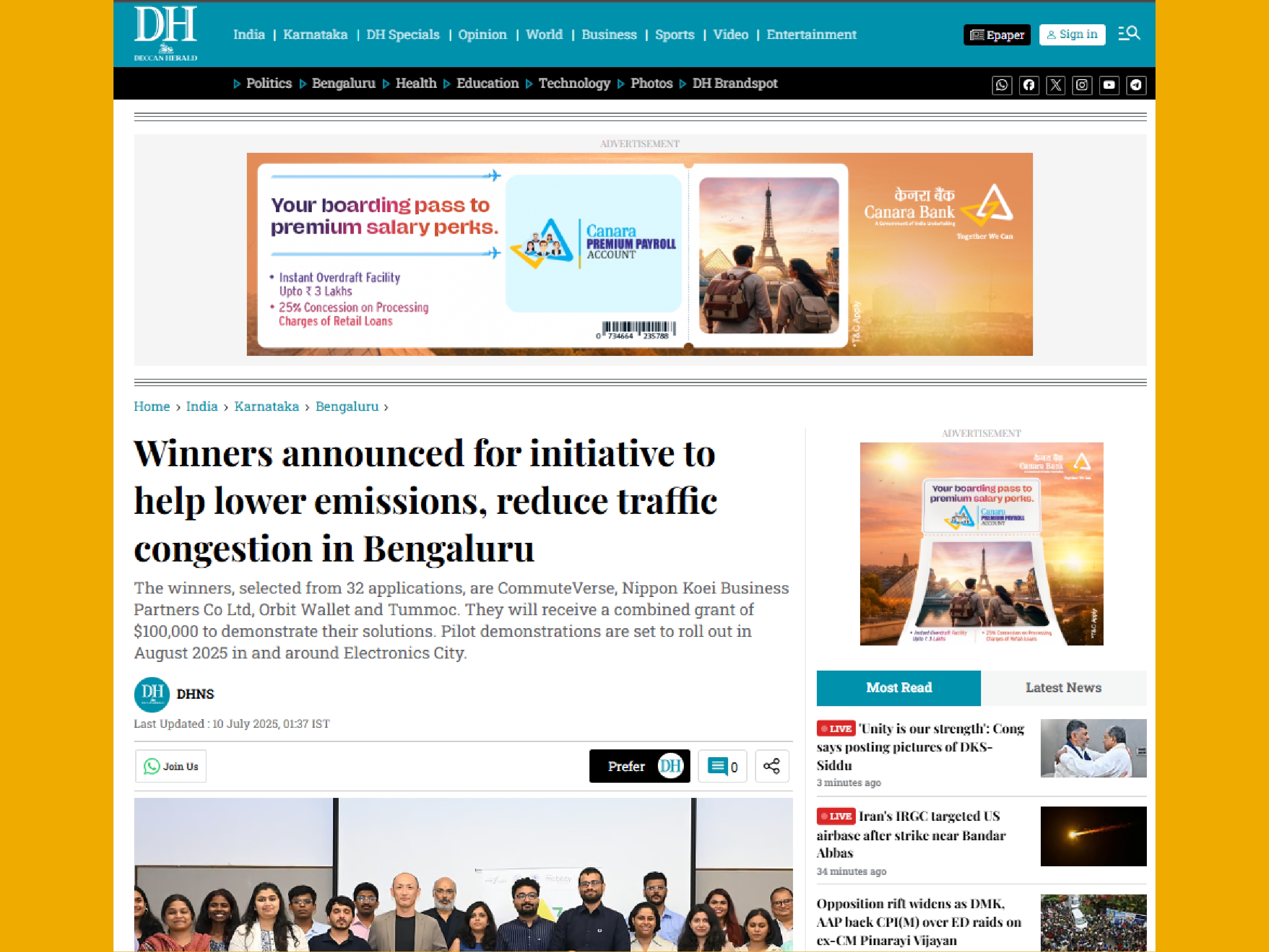
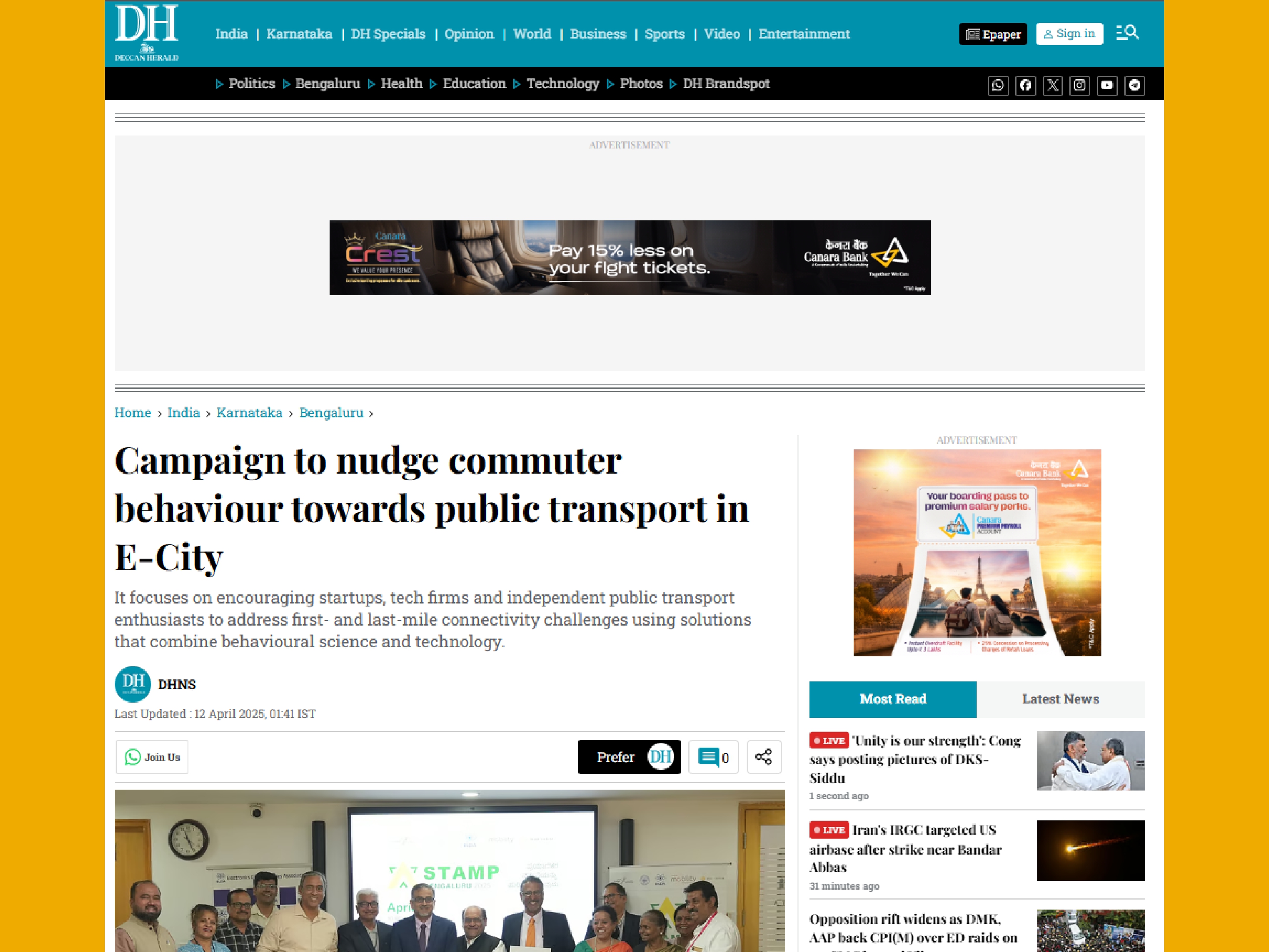
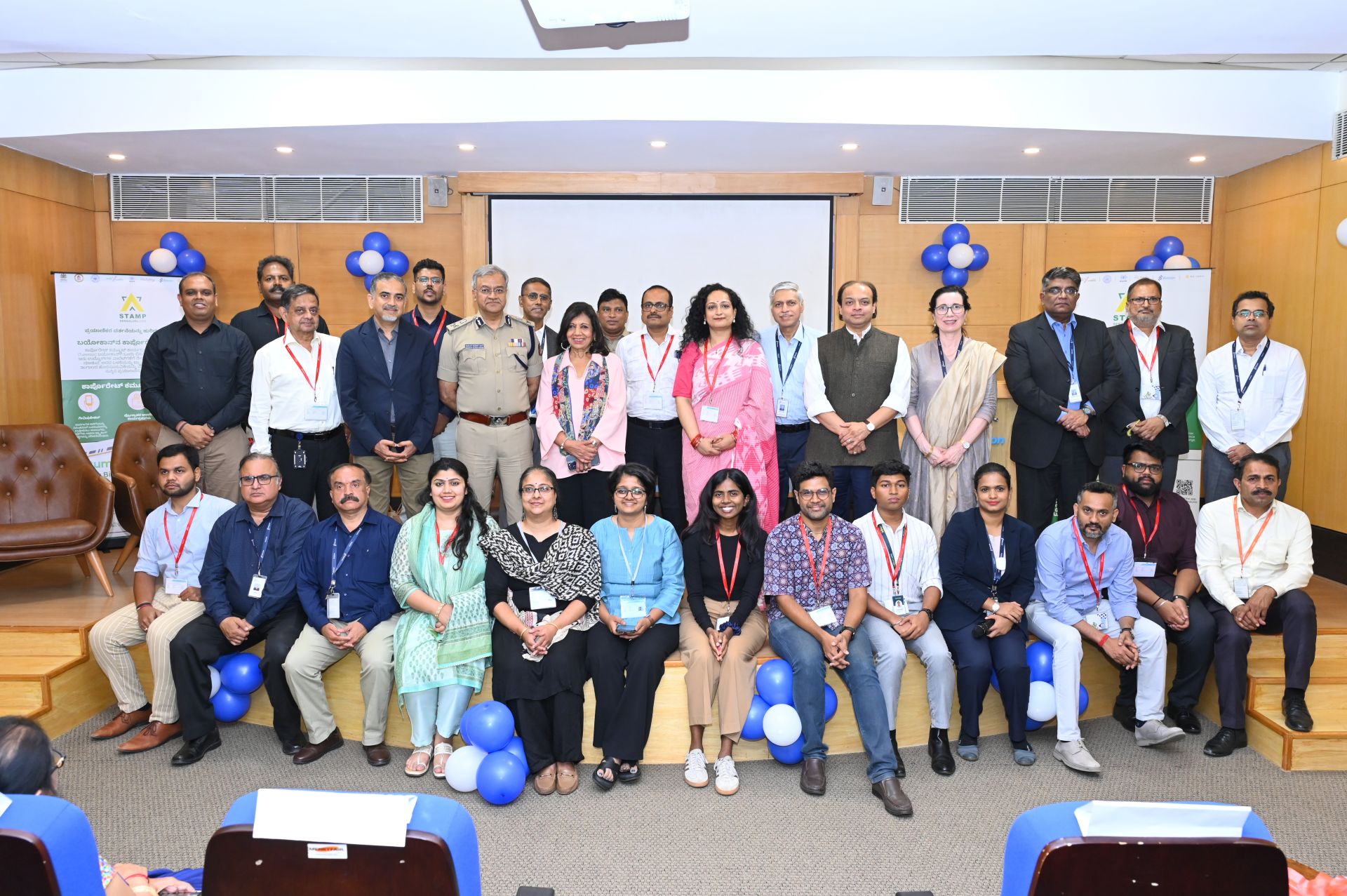
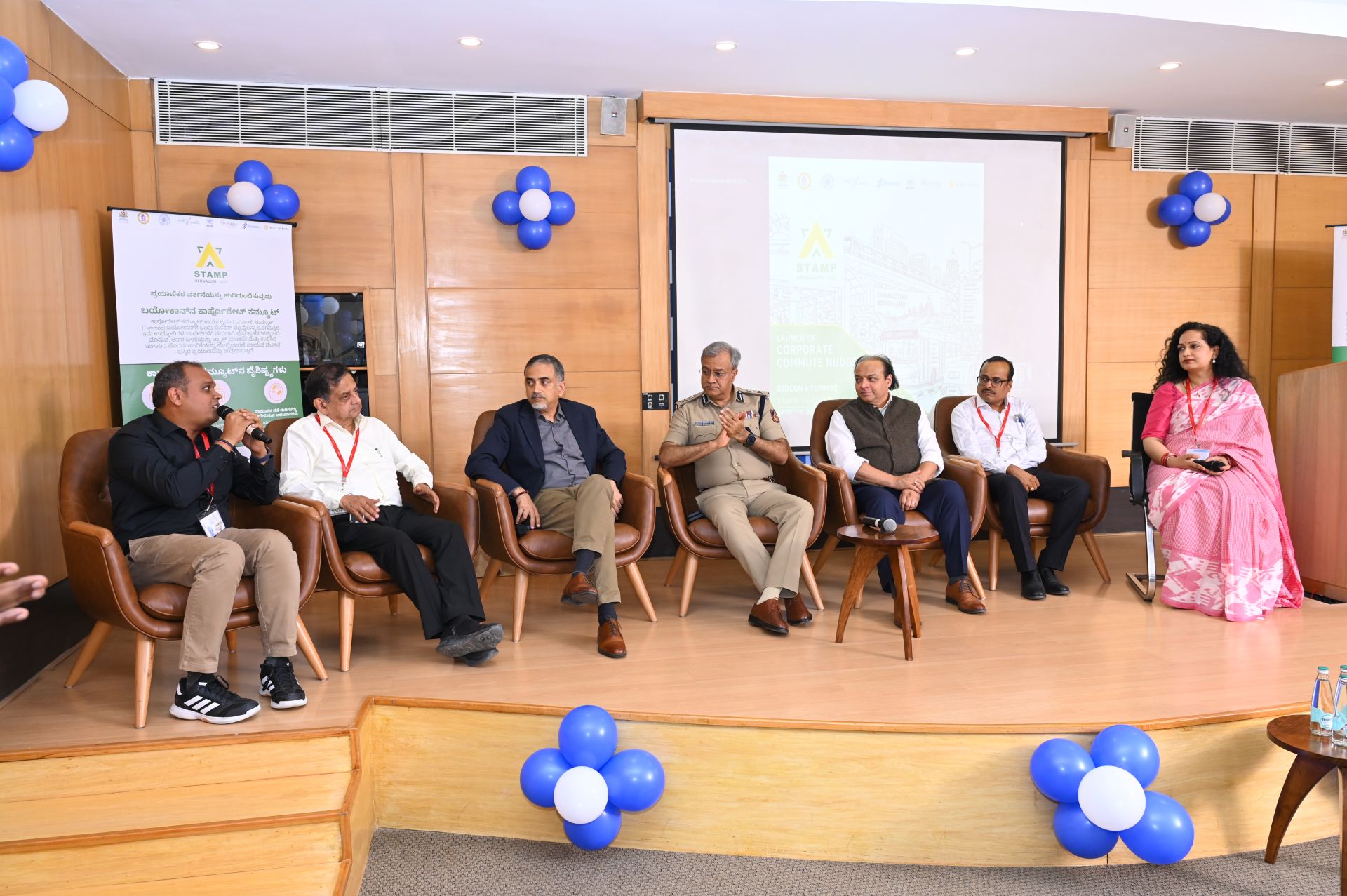
Corporate Commute Nudge Launch at Biocon, March and April, 2026
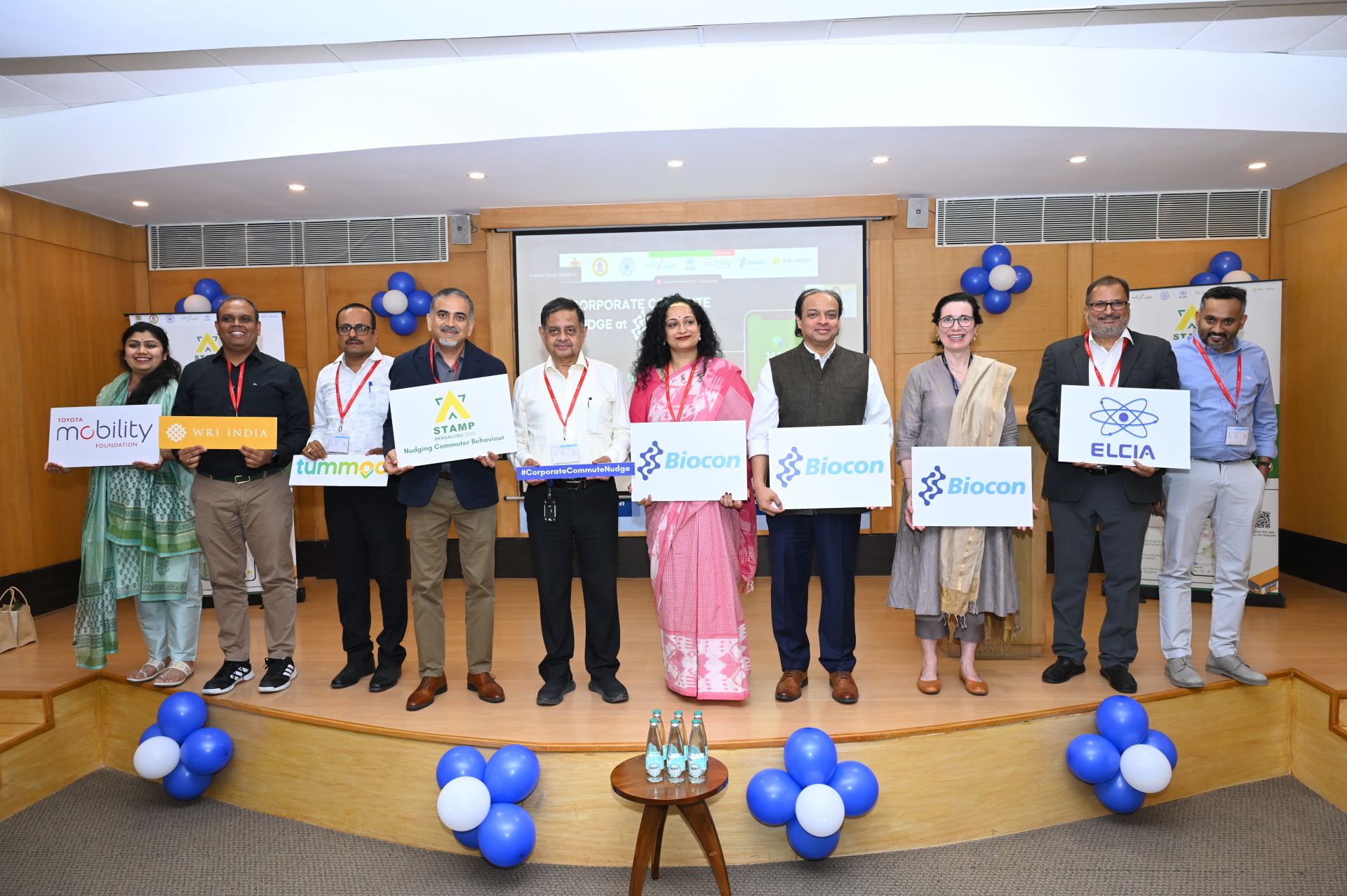
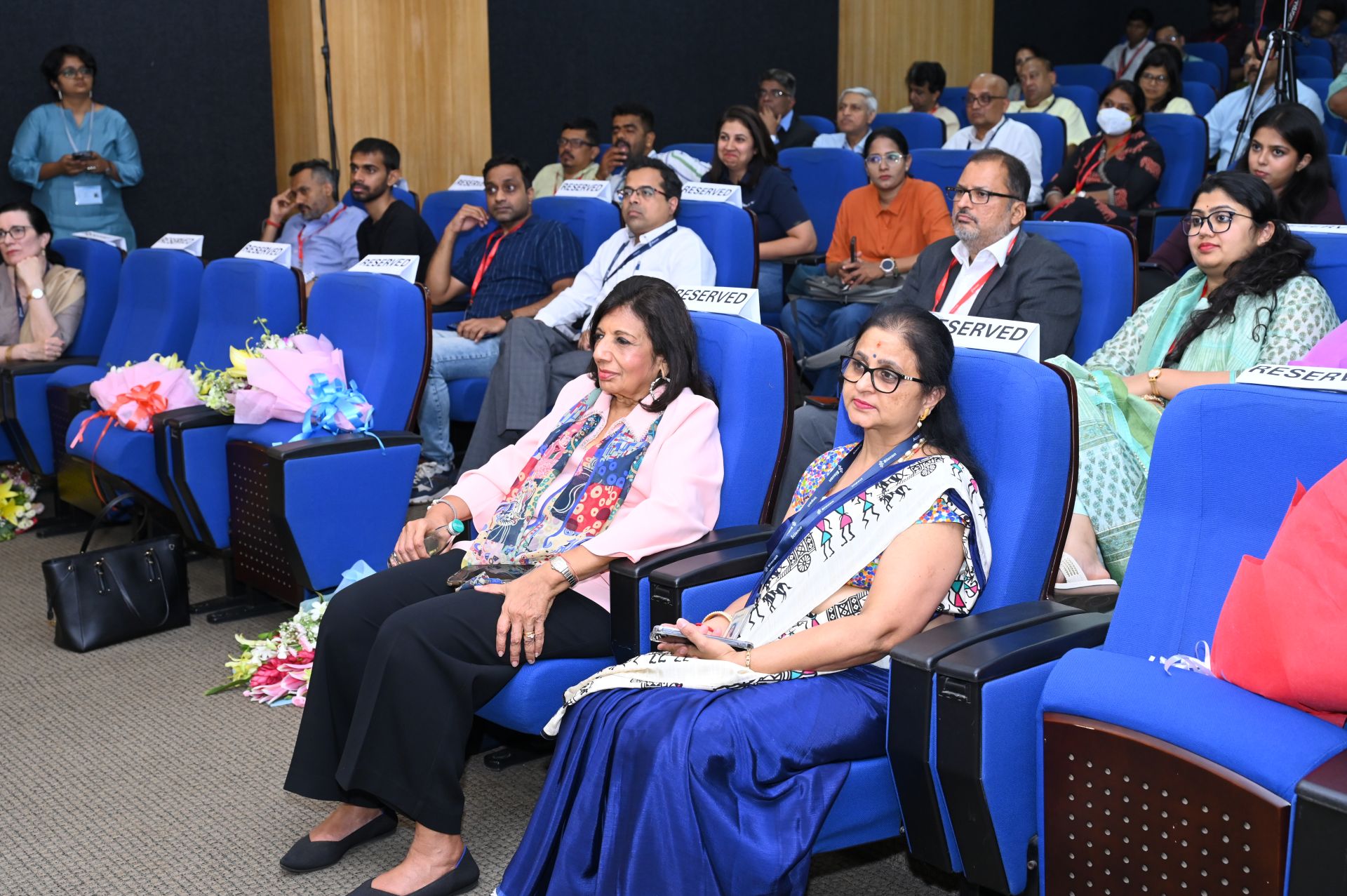
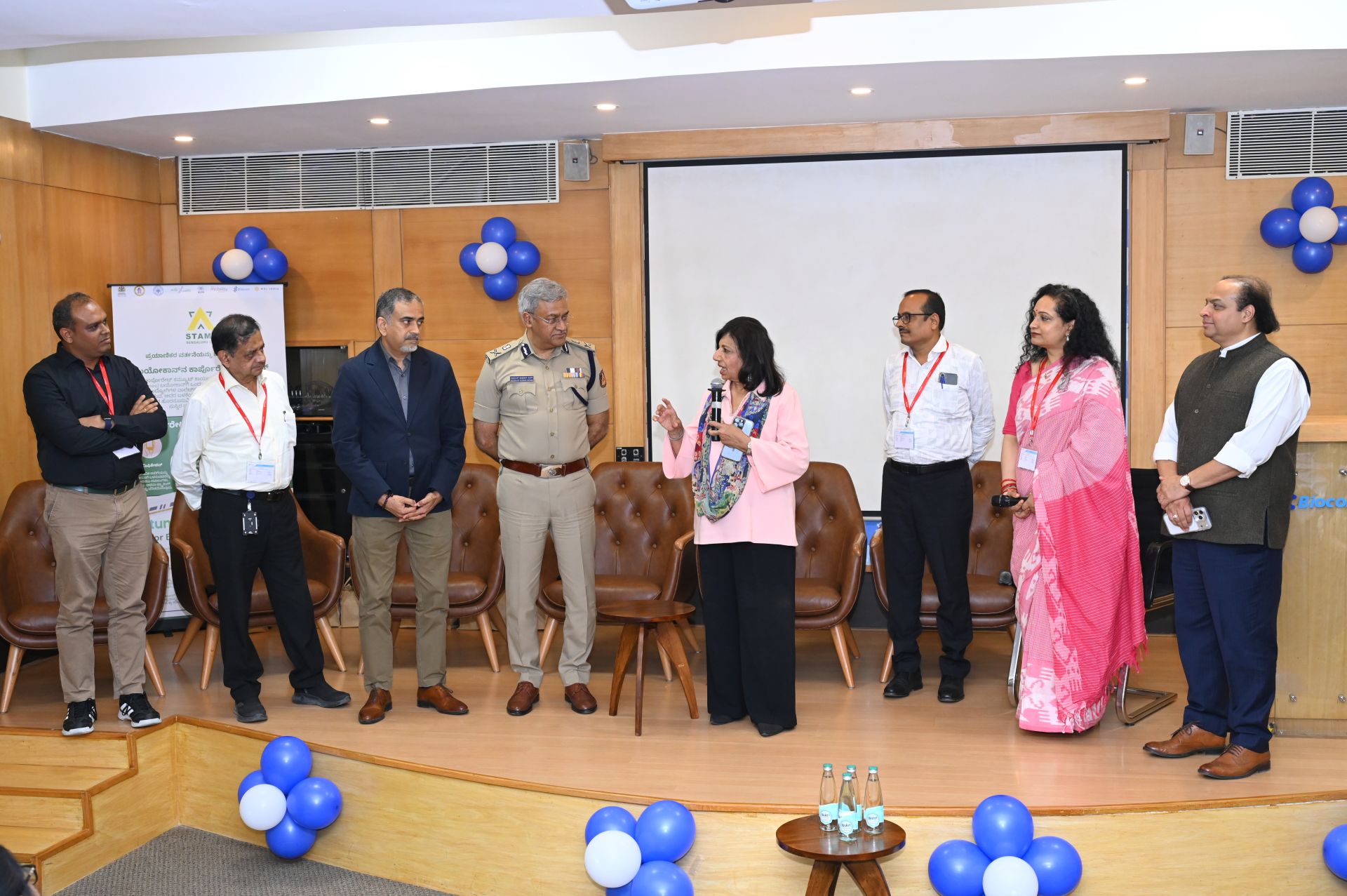
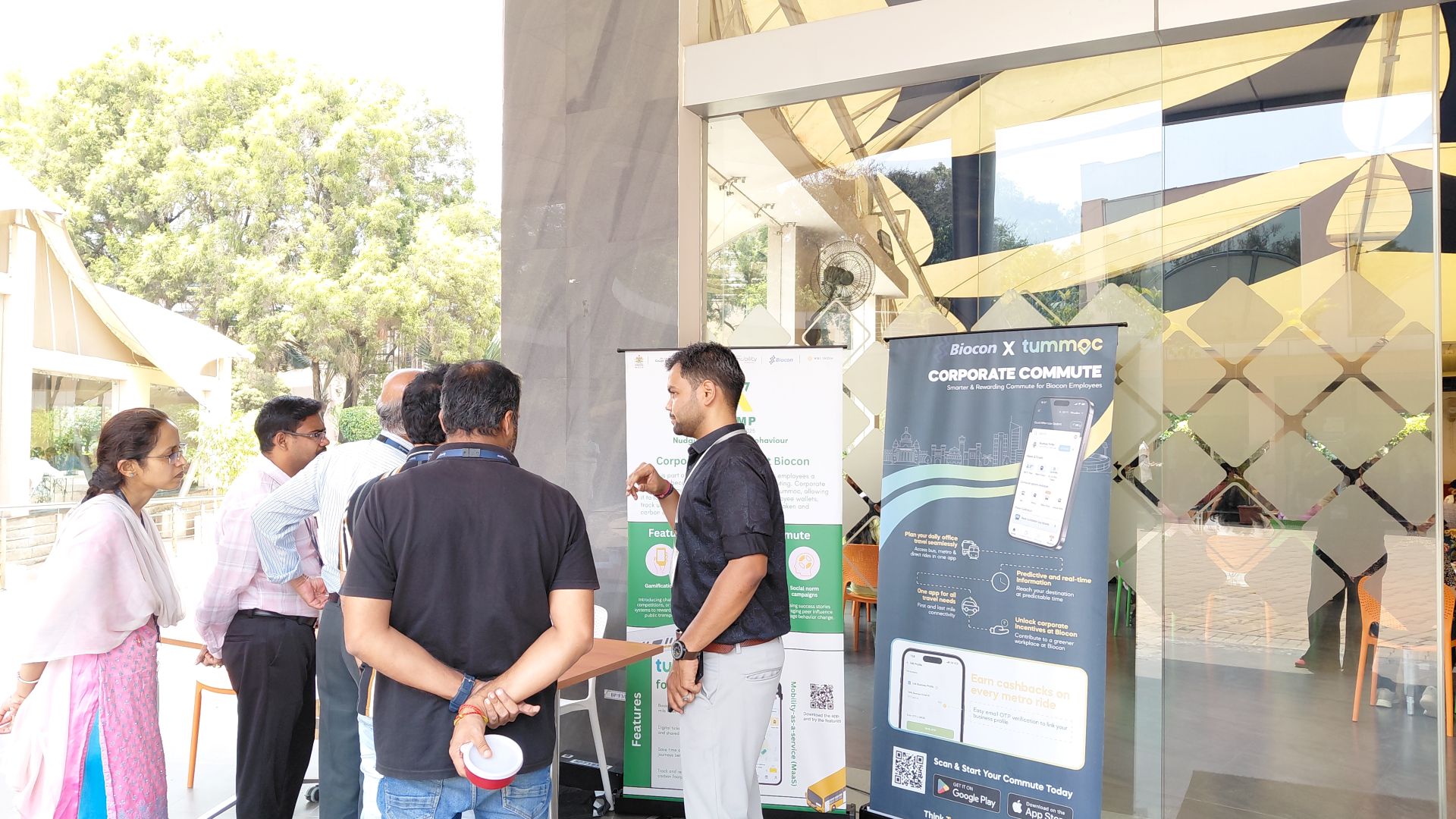
Corporate Commute Nudge Launch at Hical, January 2026
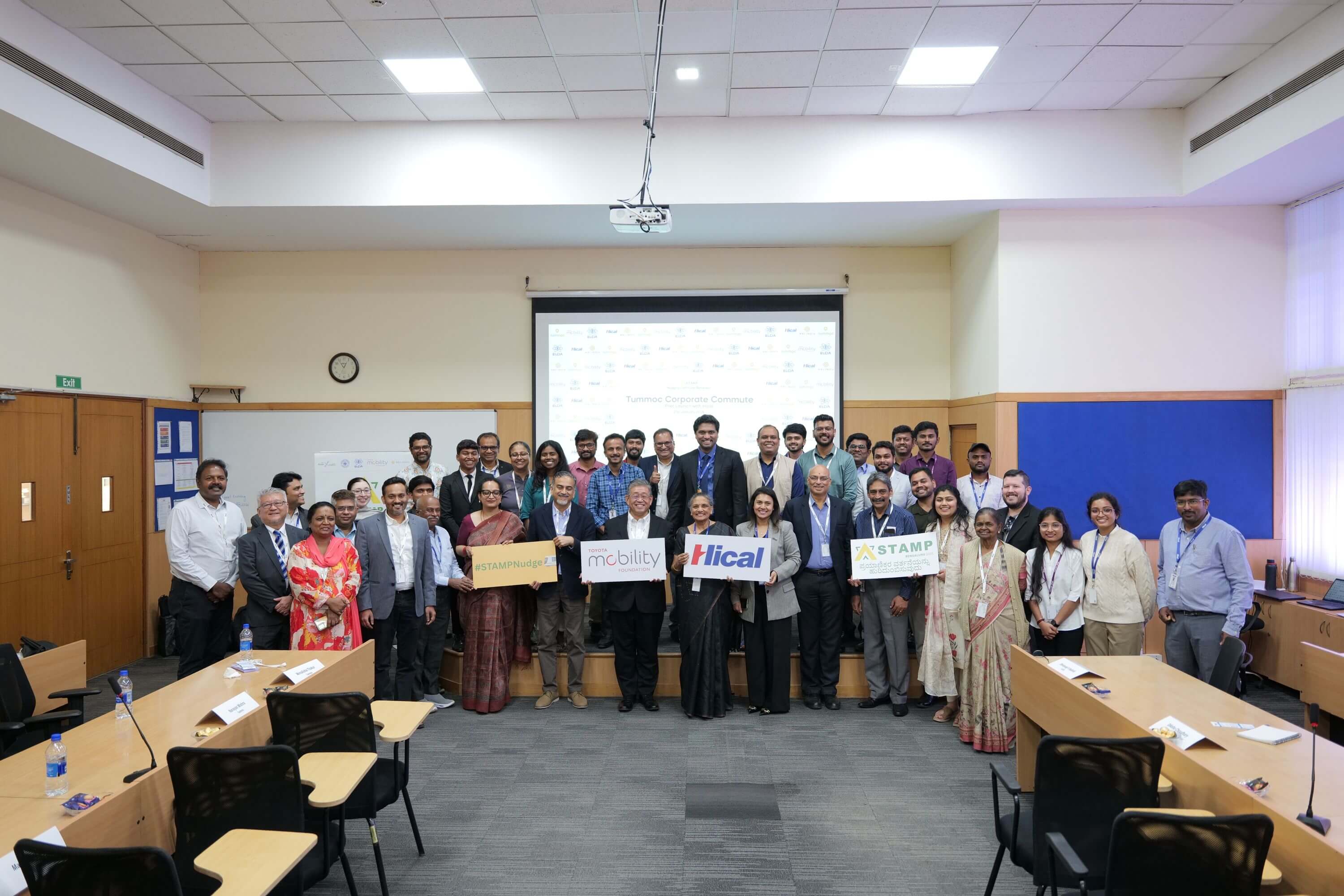
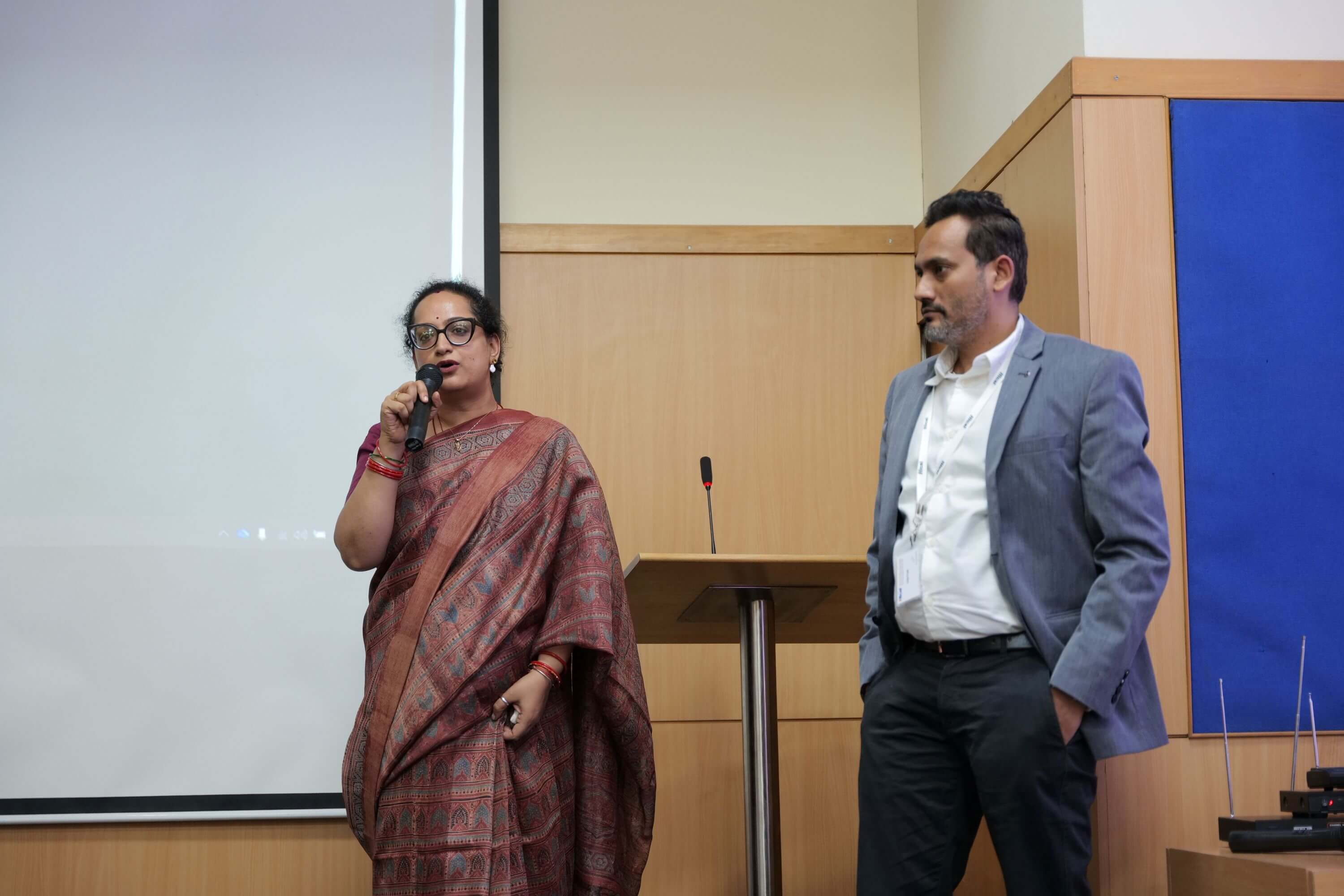
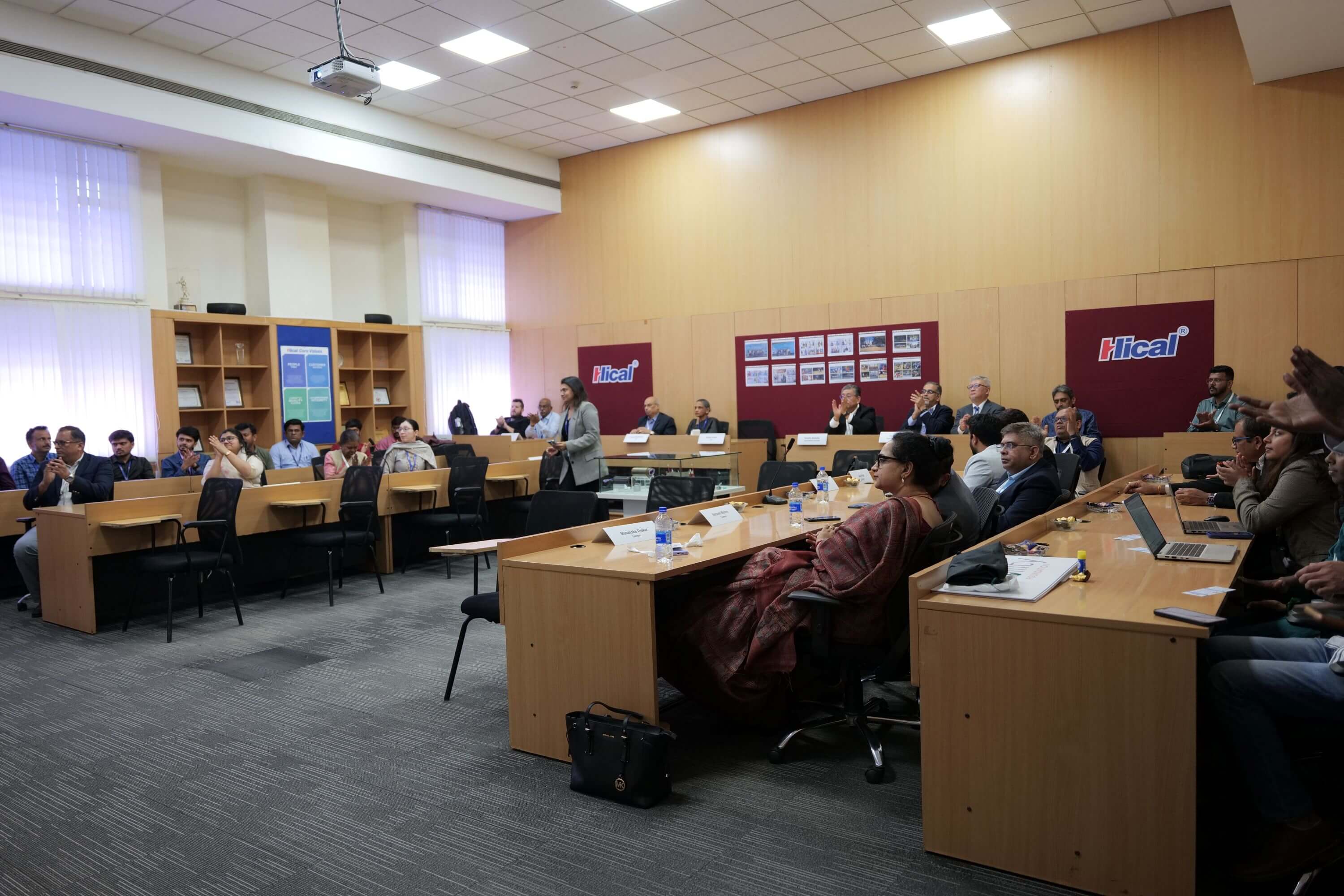
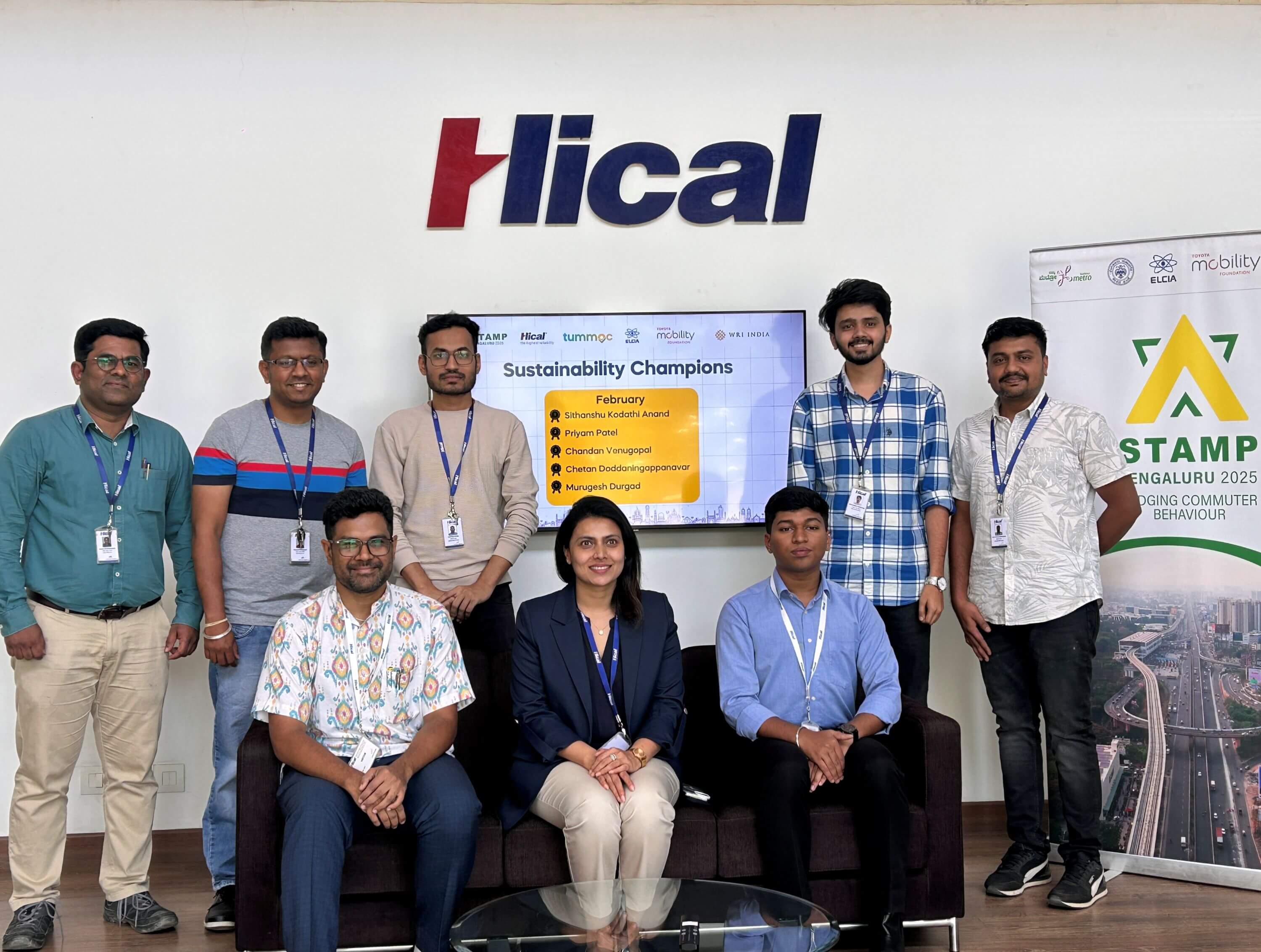
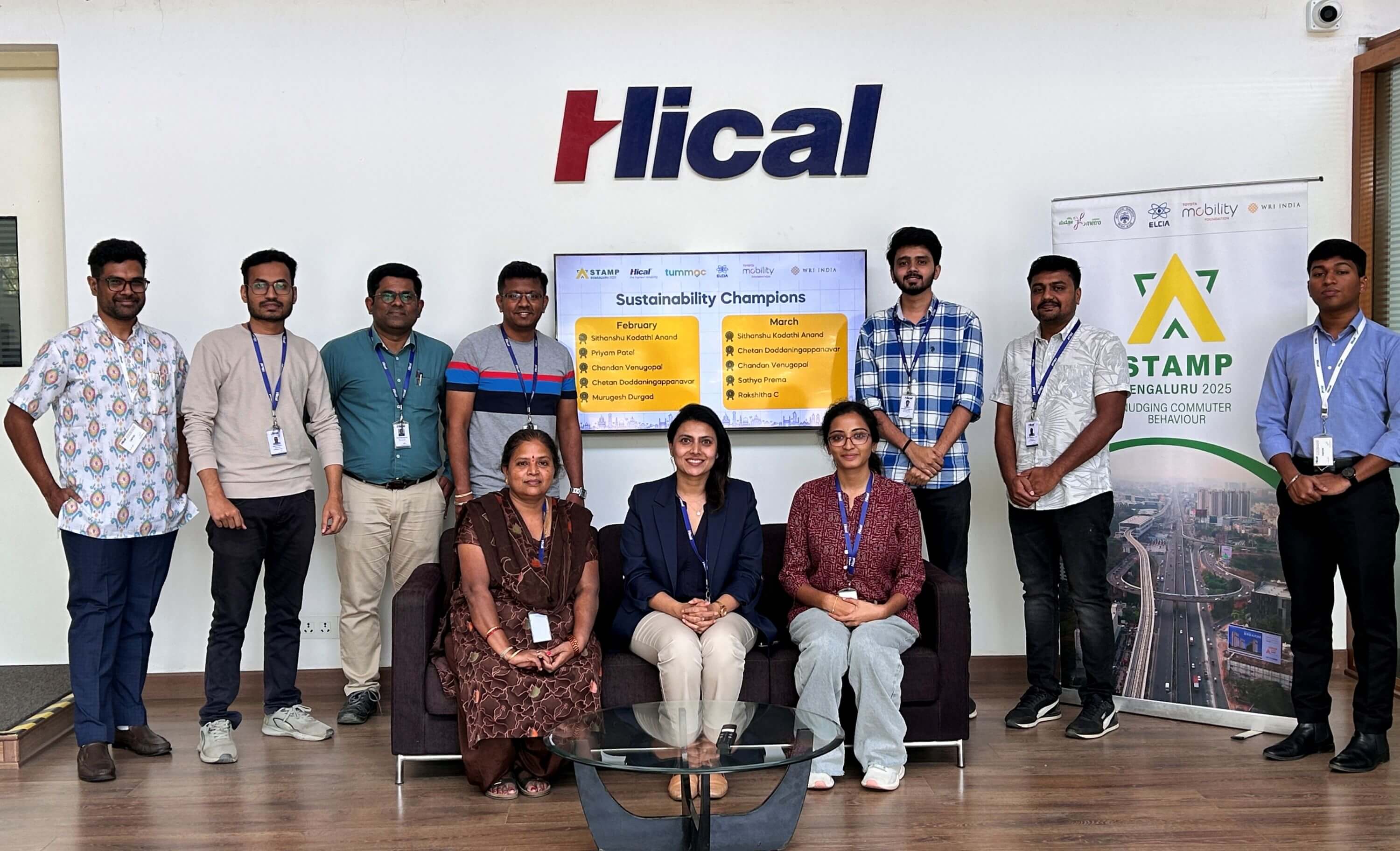
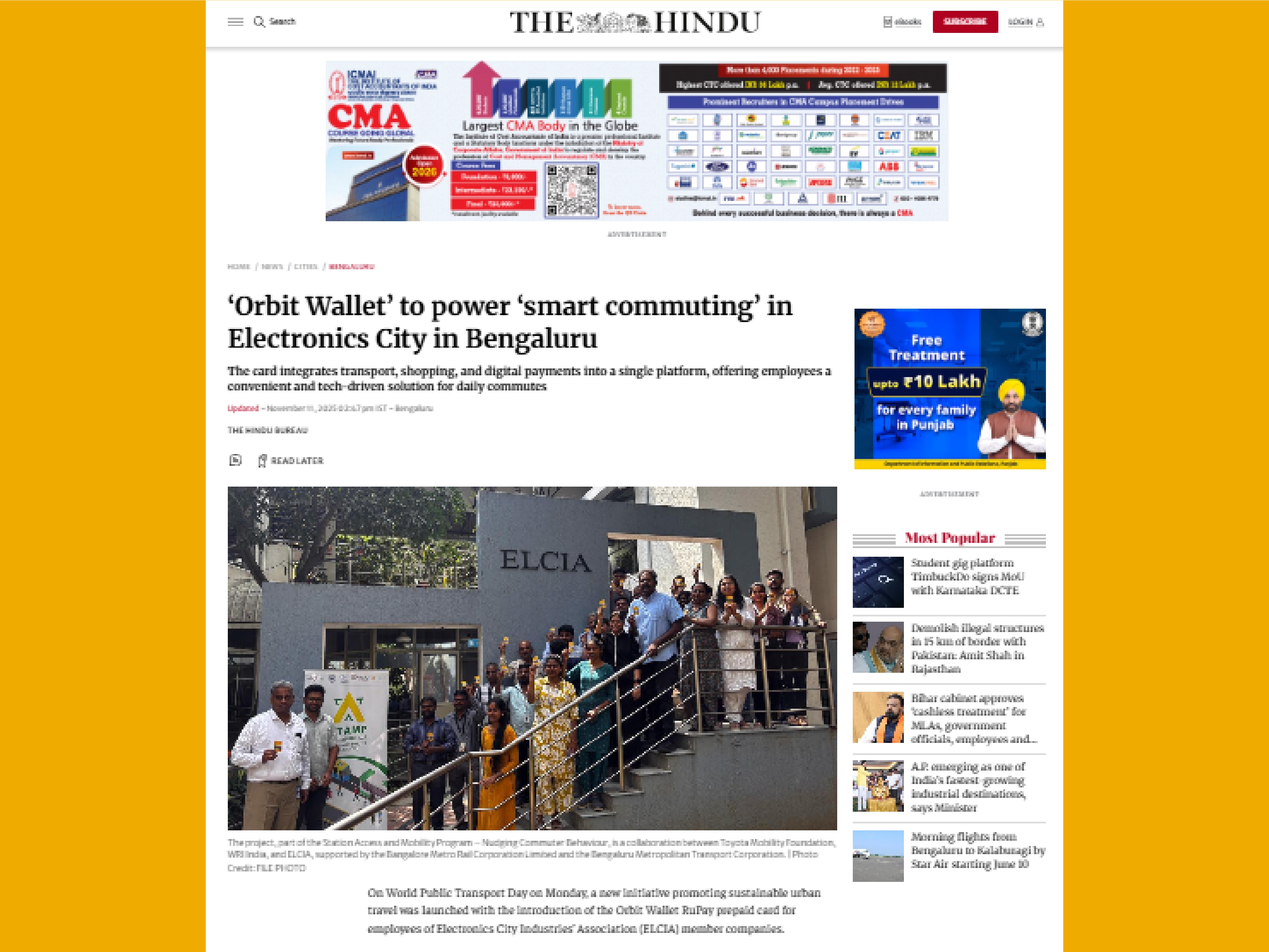
Launch of Orbit Wallet at Electronic City Industries Association (ELCIA), November 2025
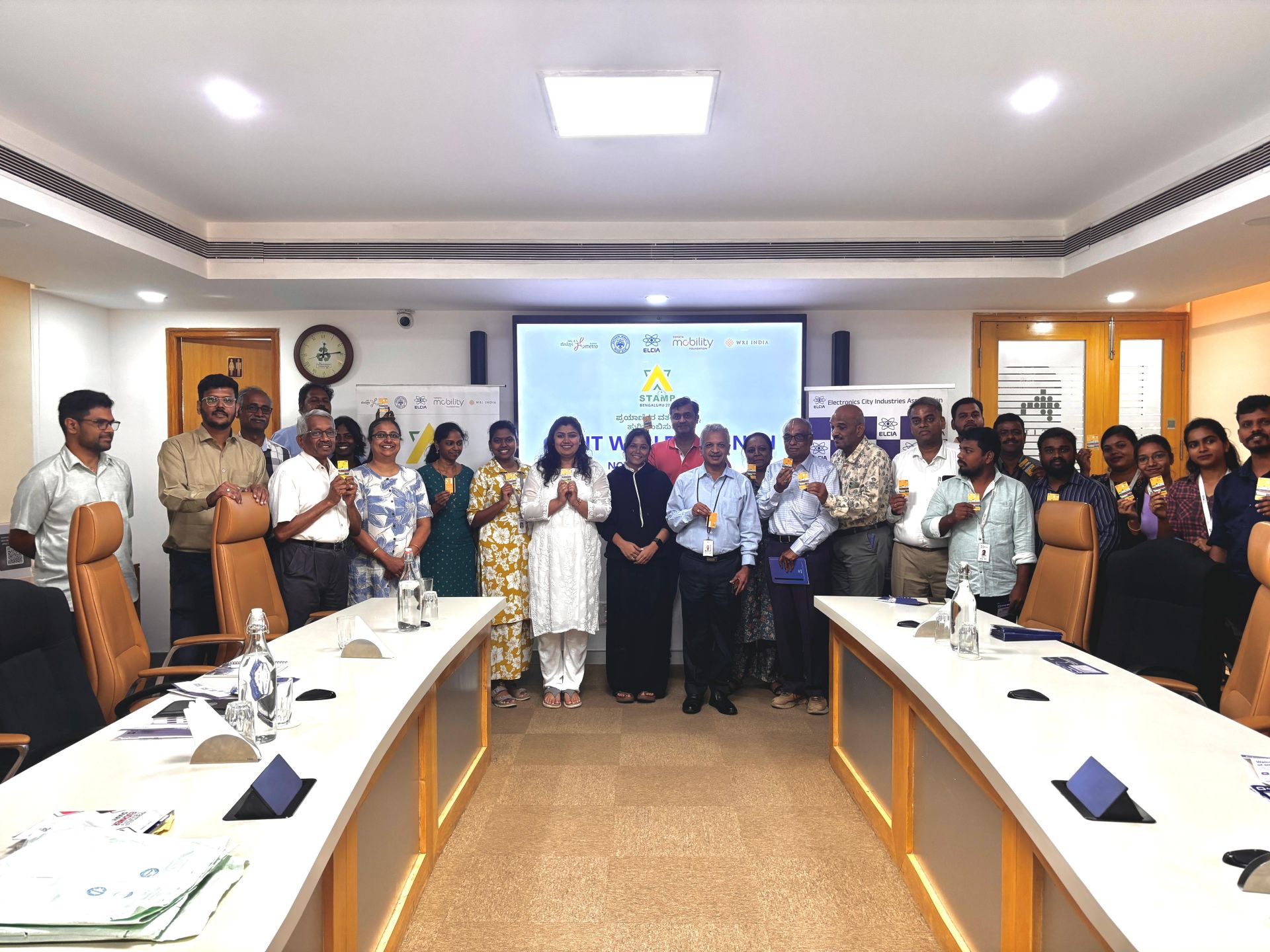

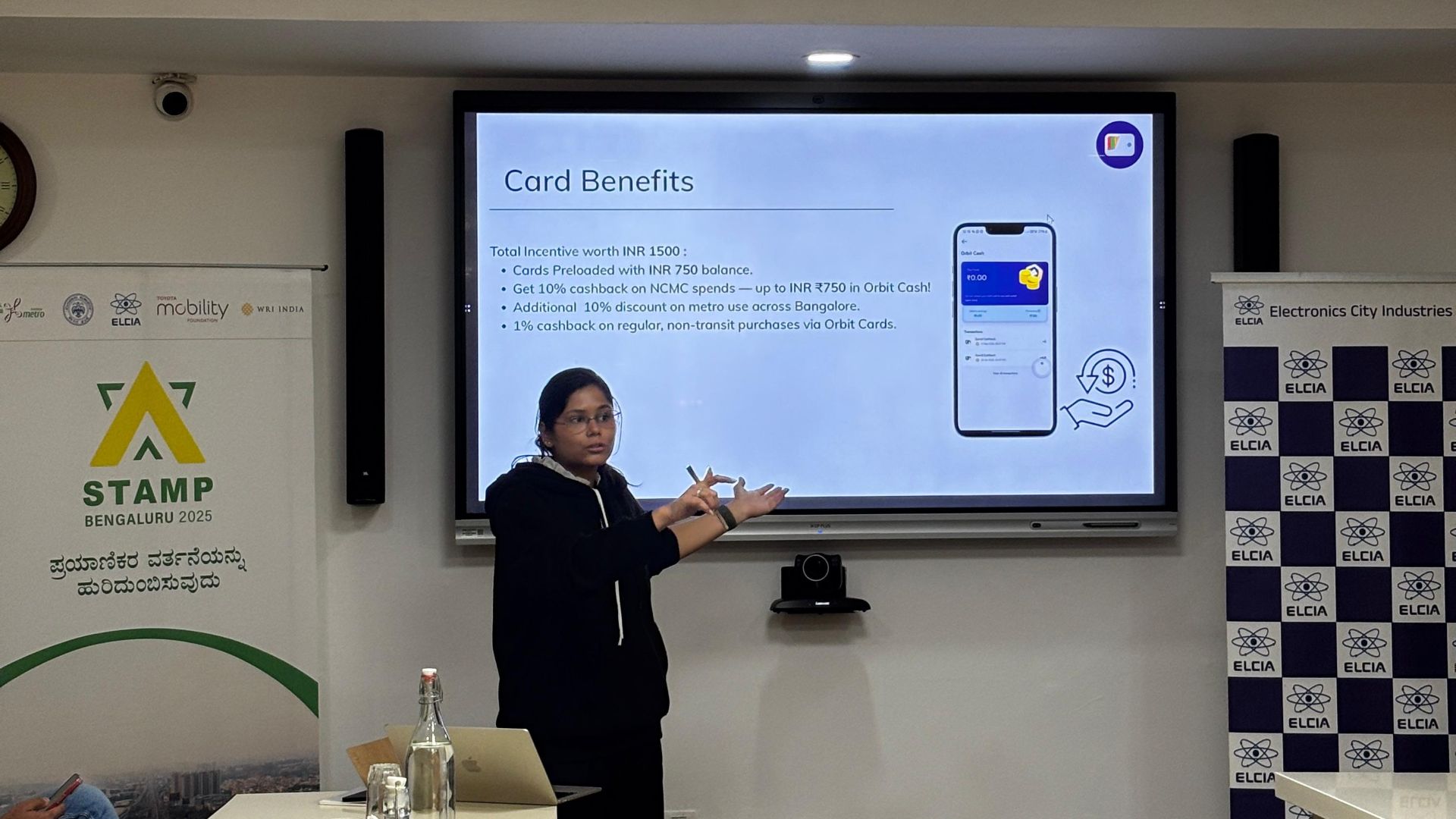
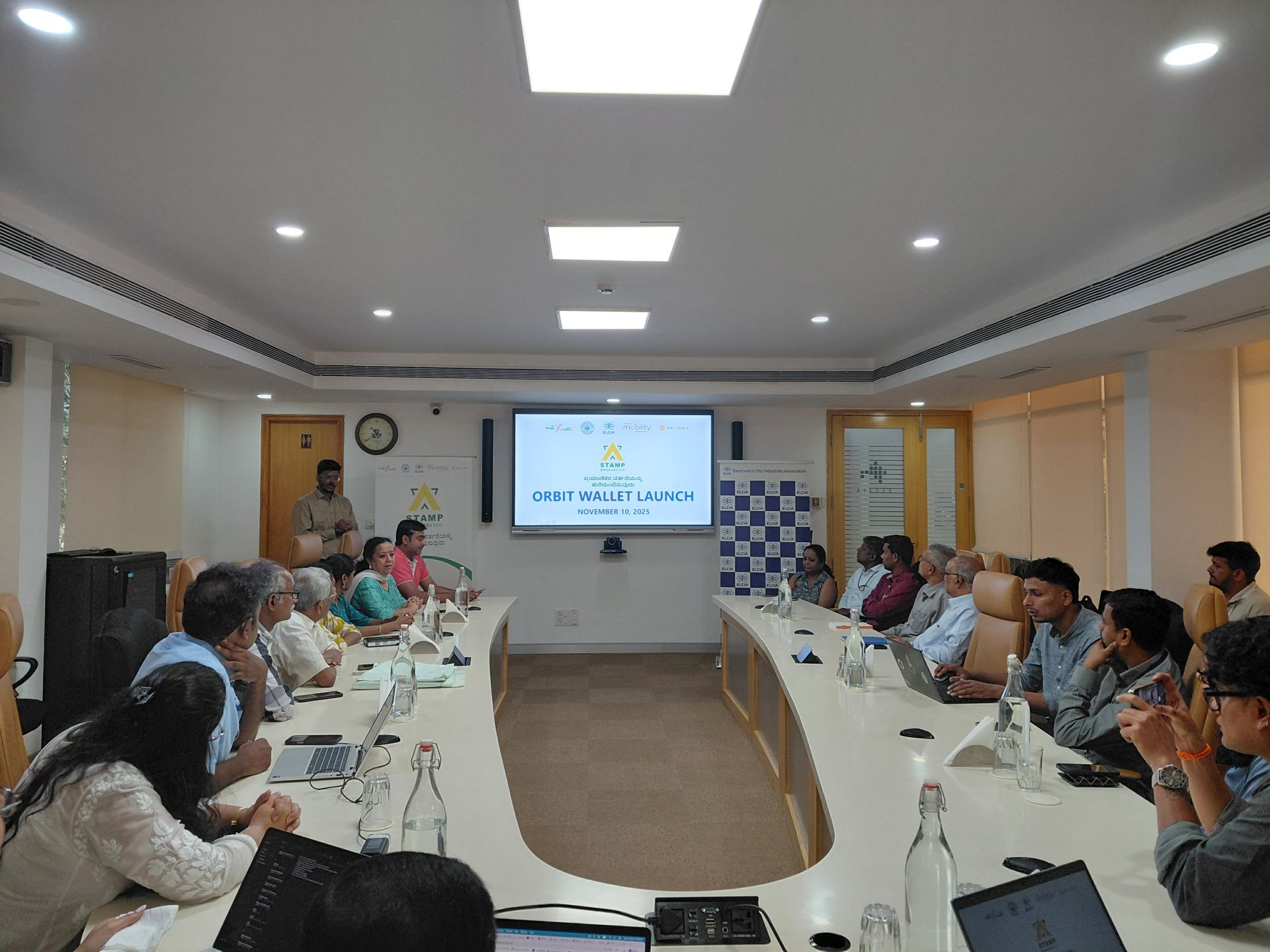
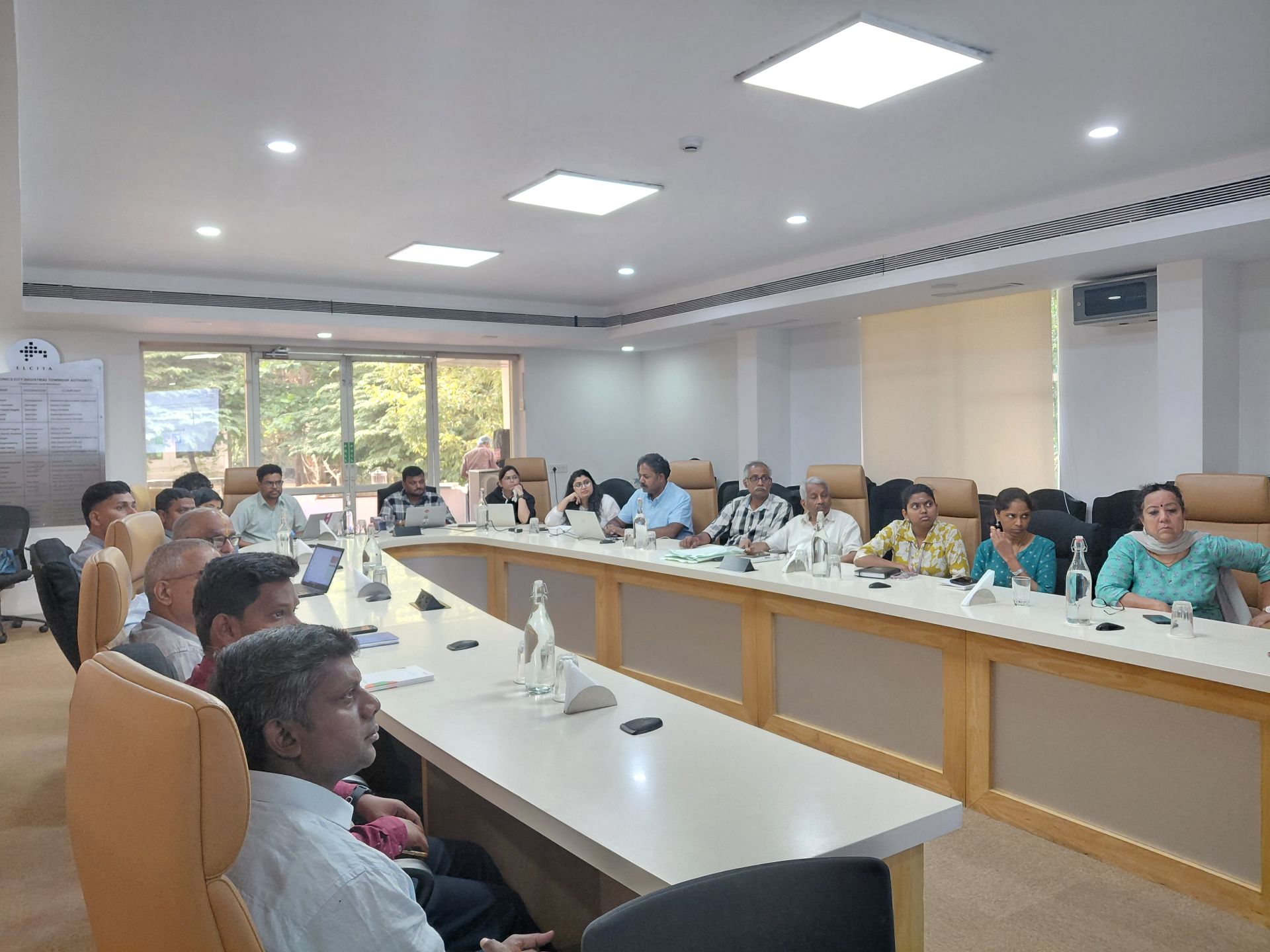
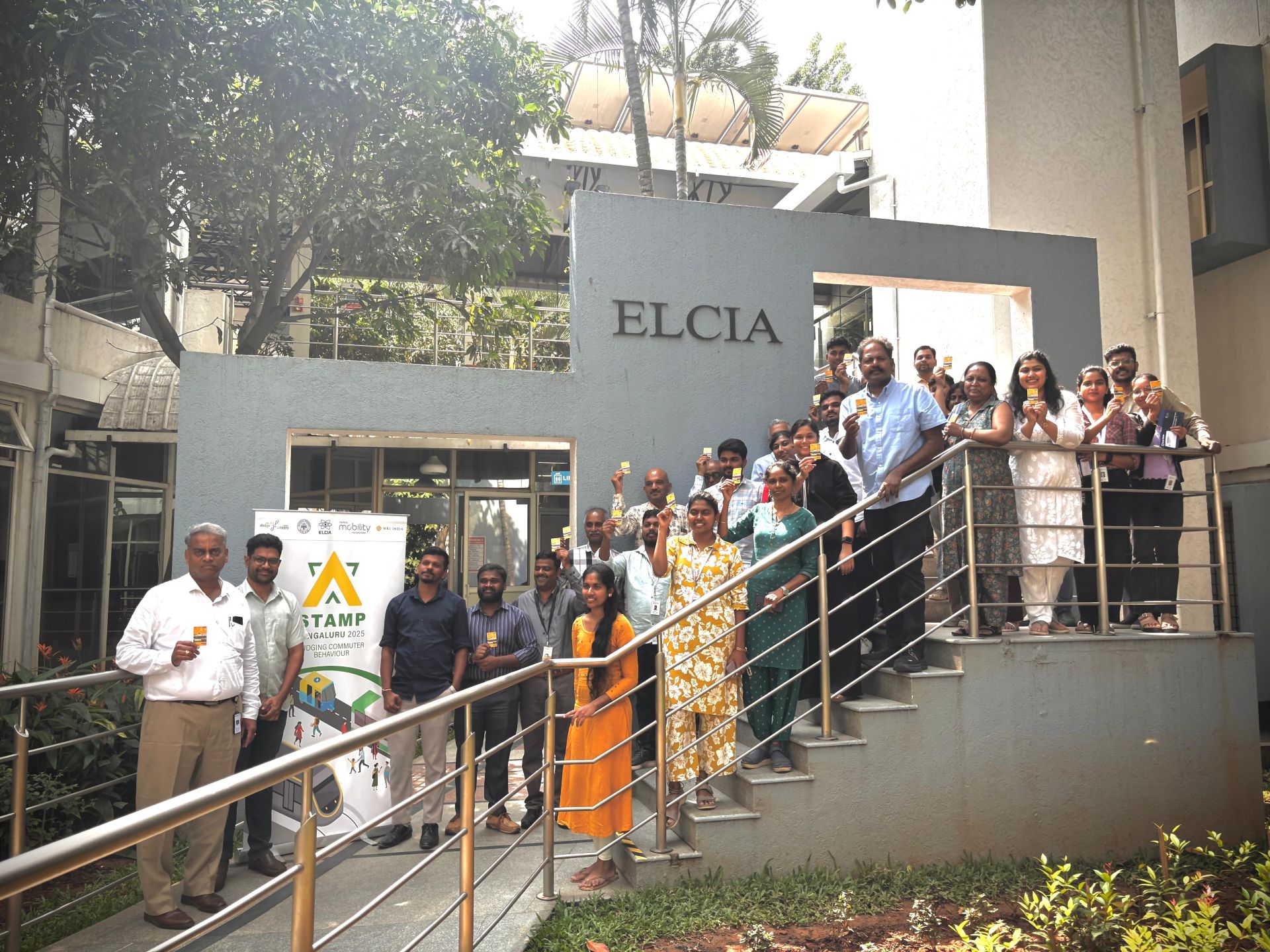
STAMP: Nudging Commuter Behaviour - Winners Selection, 2025
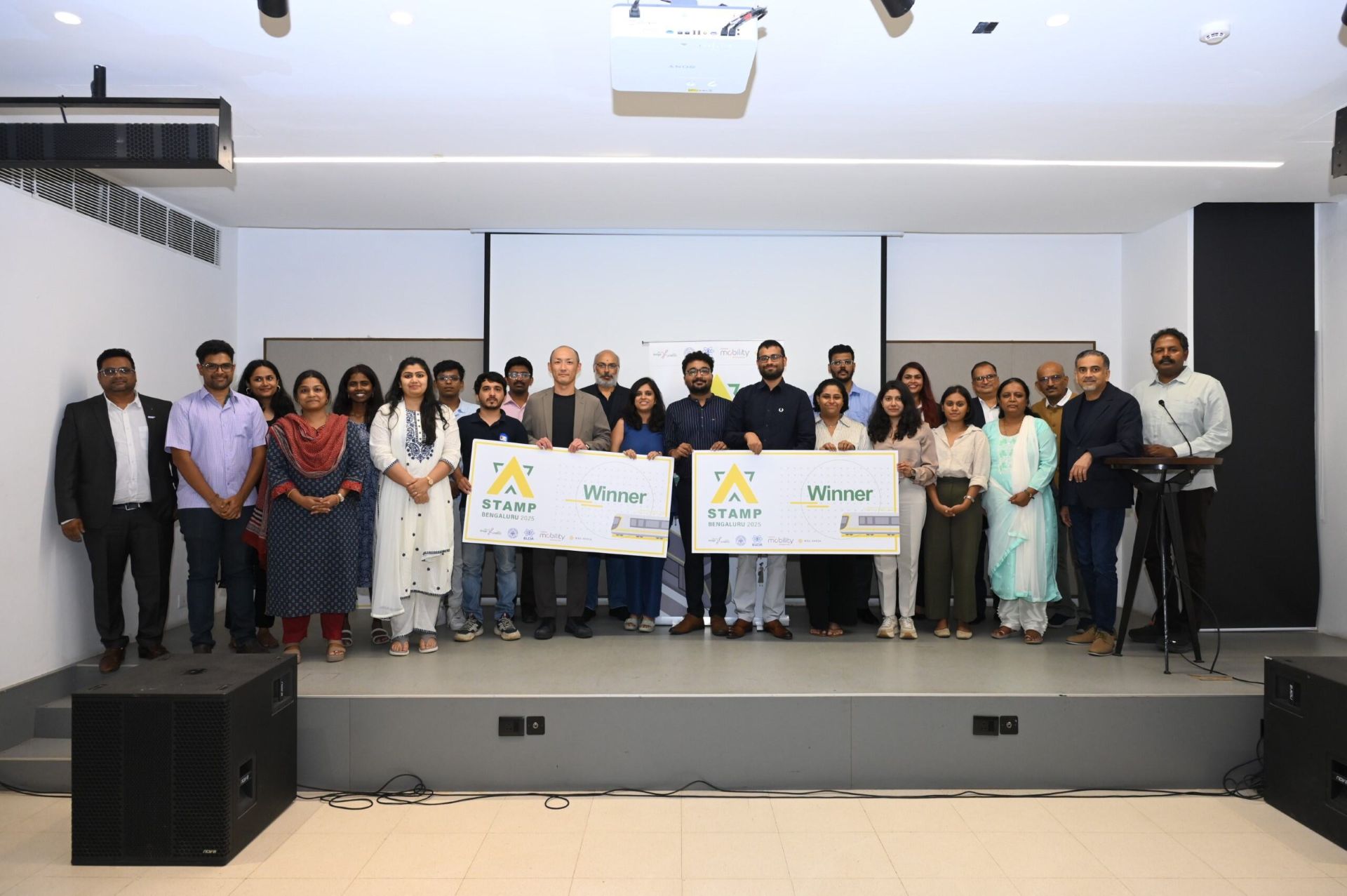
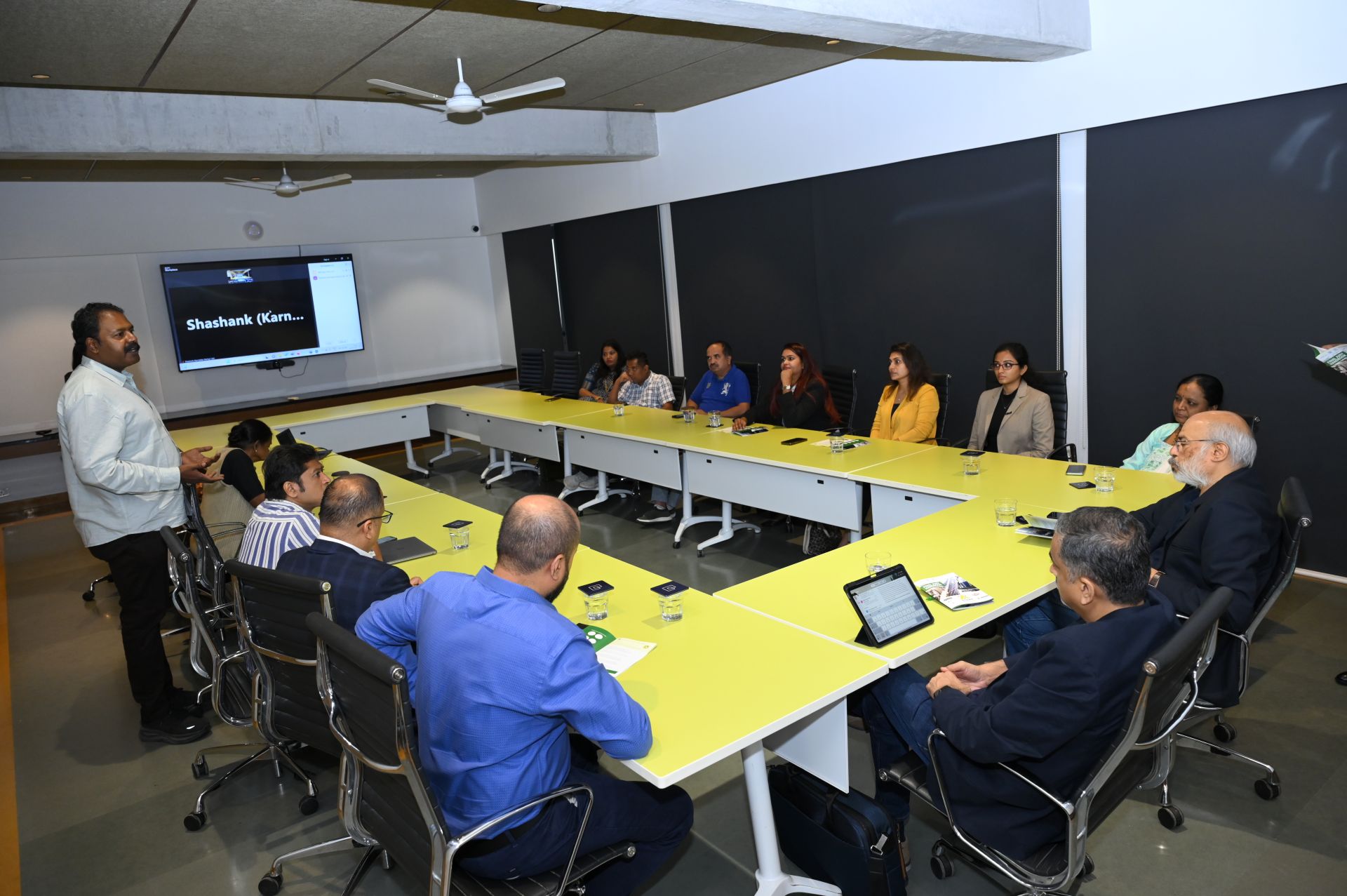
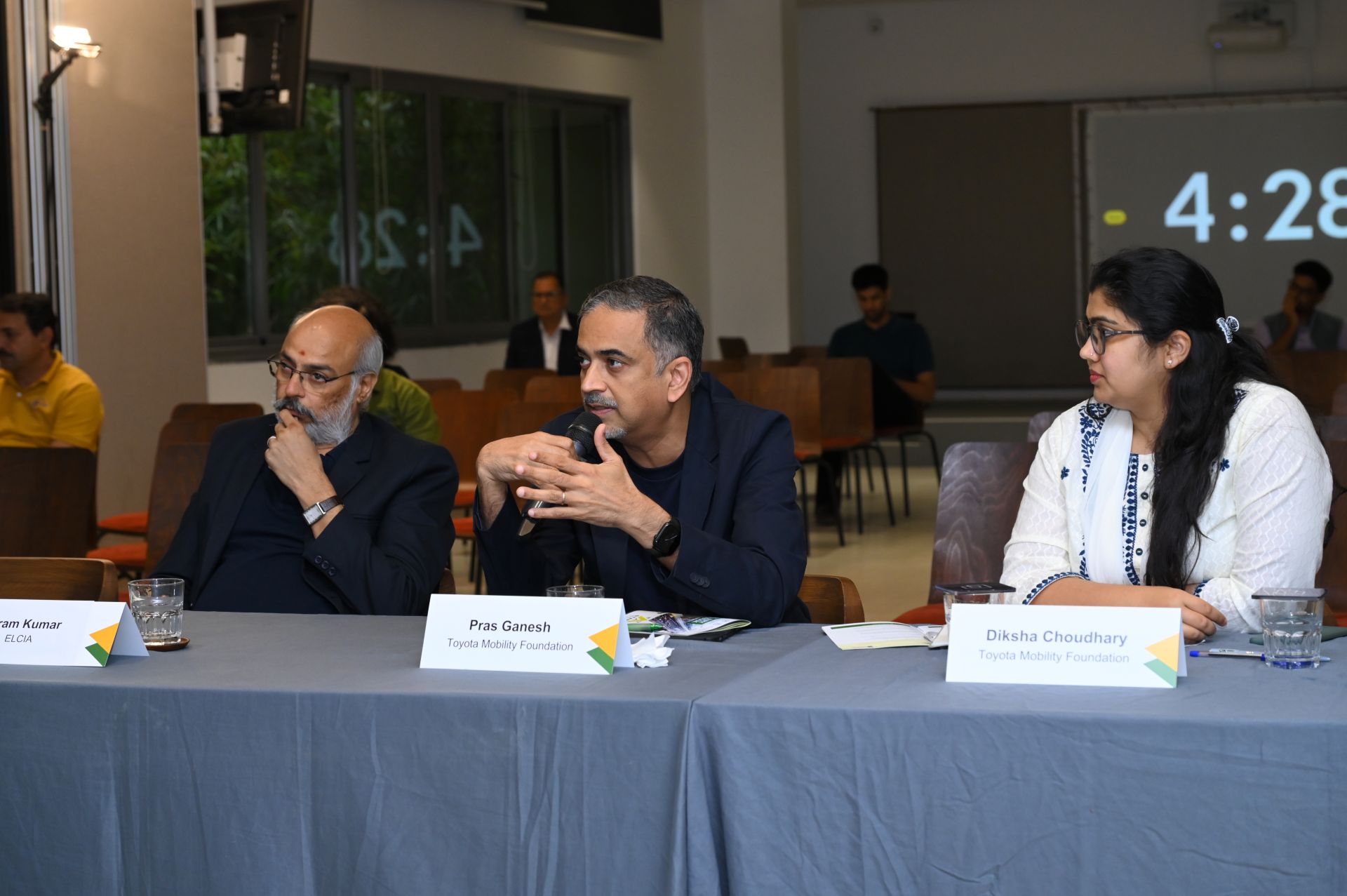
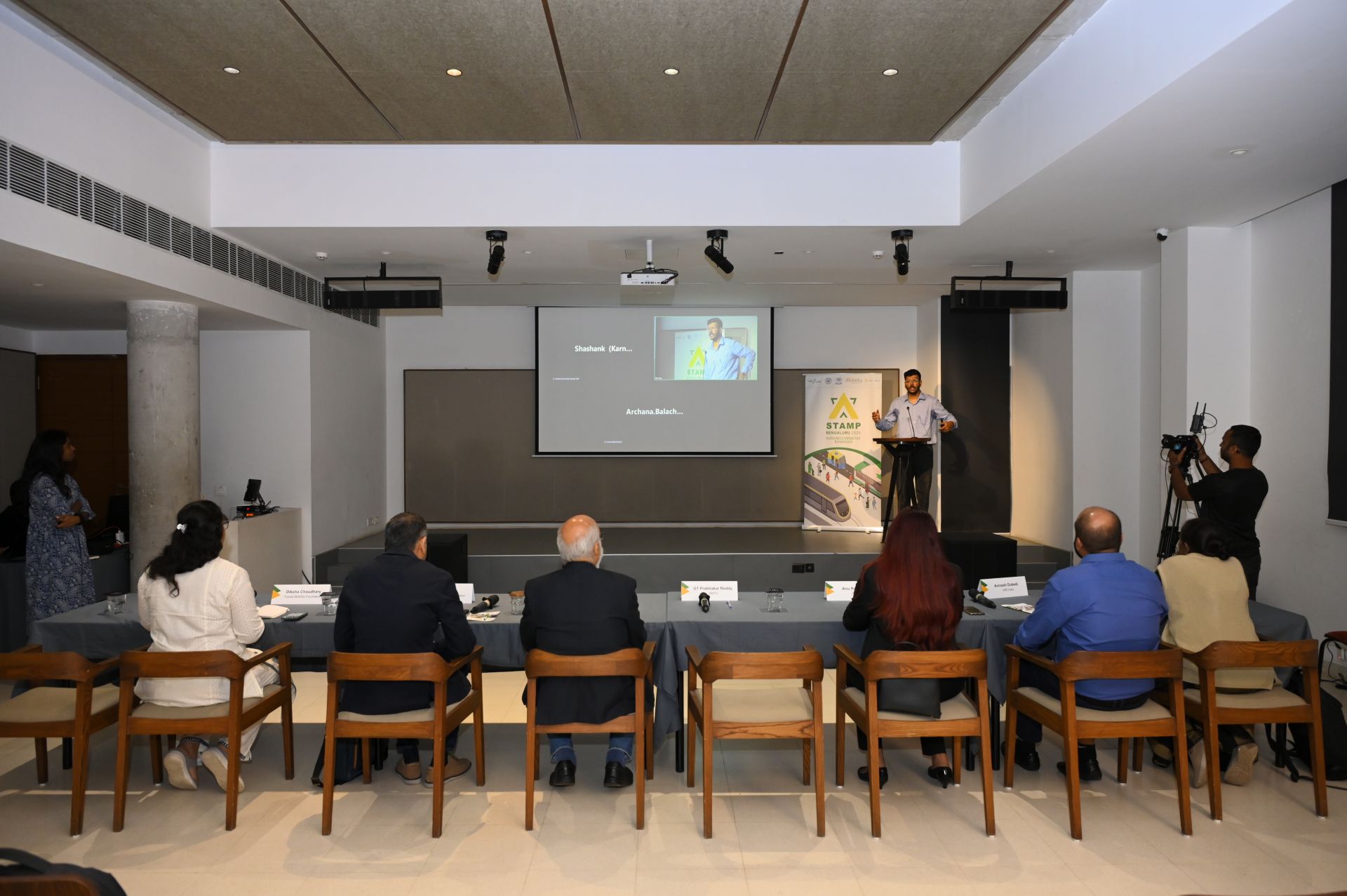
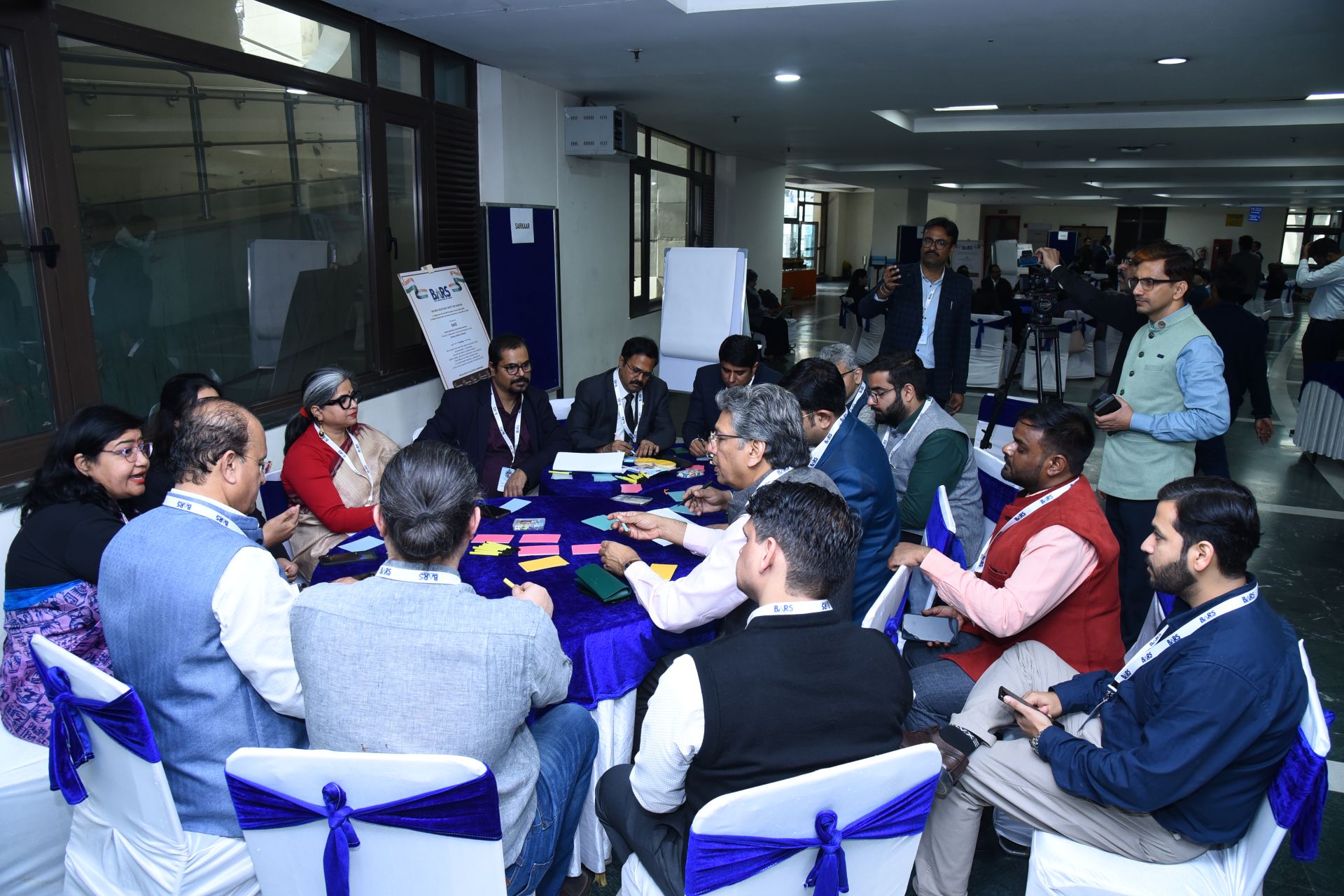
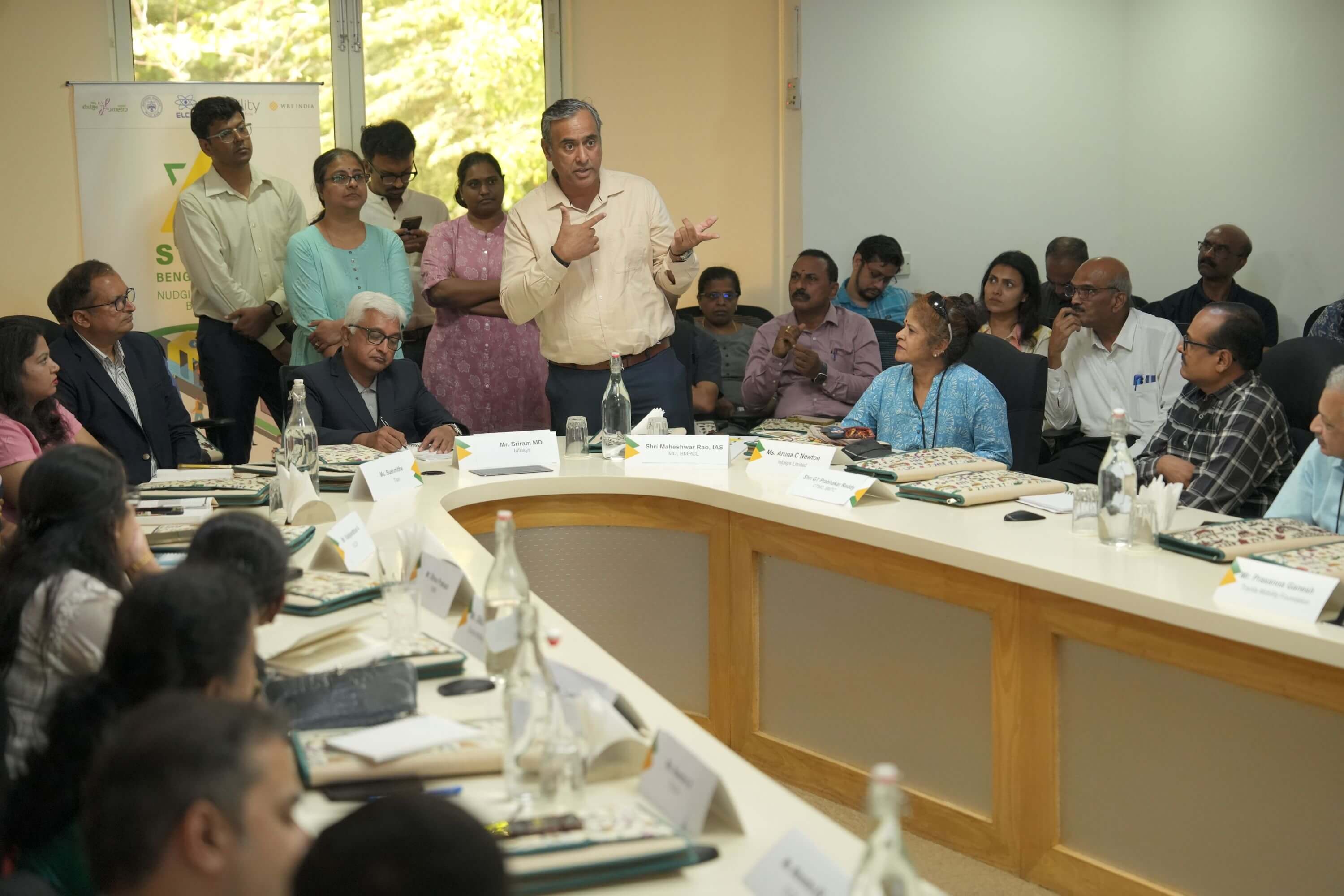
Nudging Commuter Behaviour Bootcamp, 2025
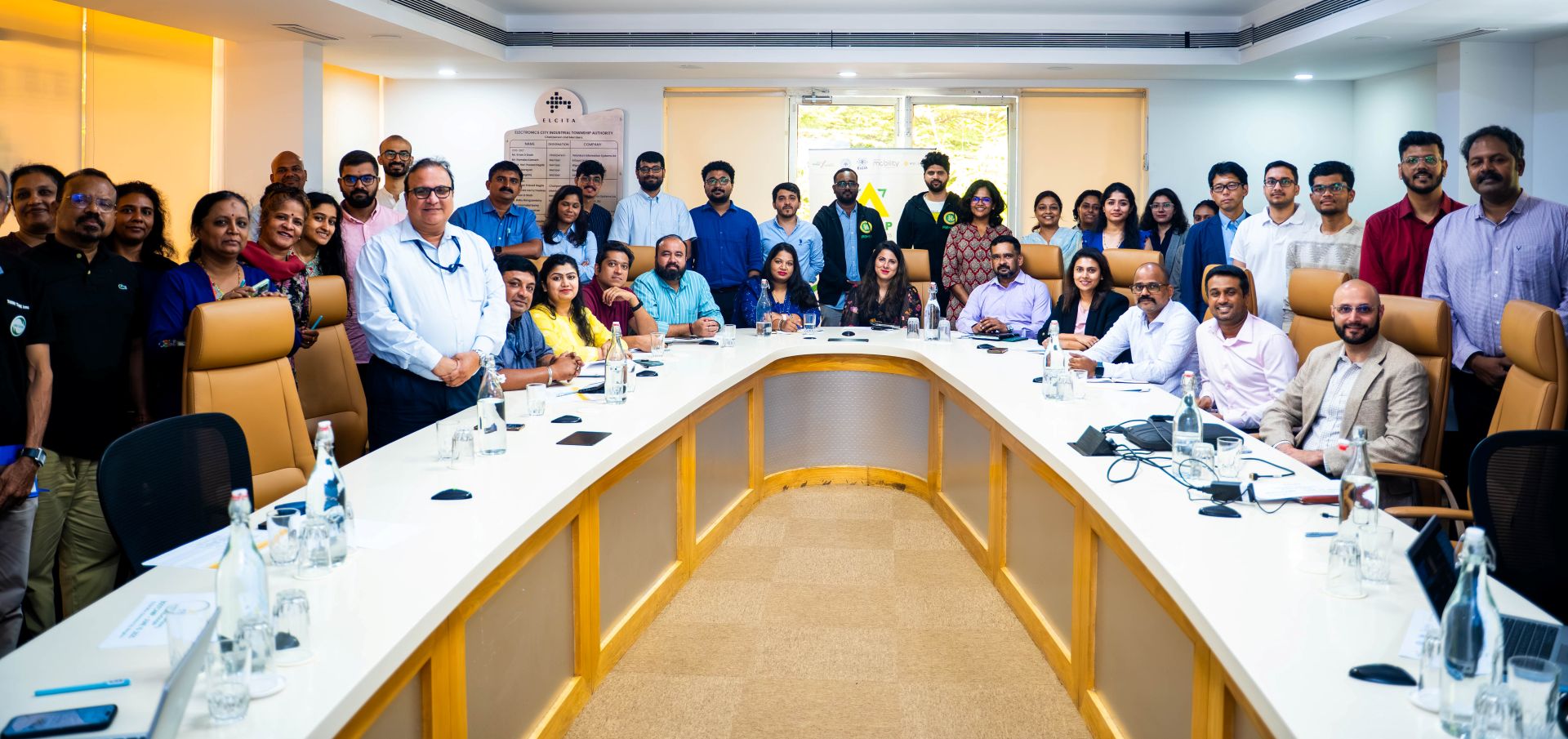
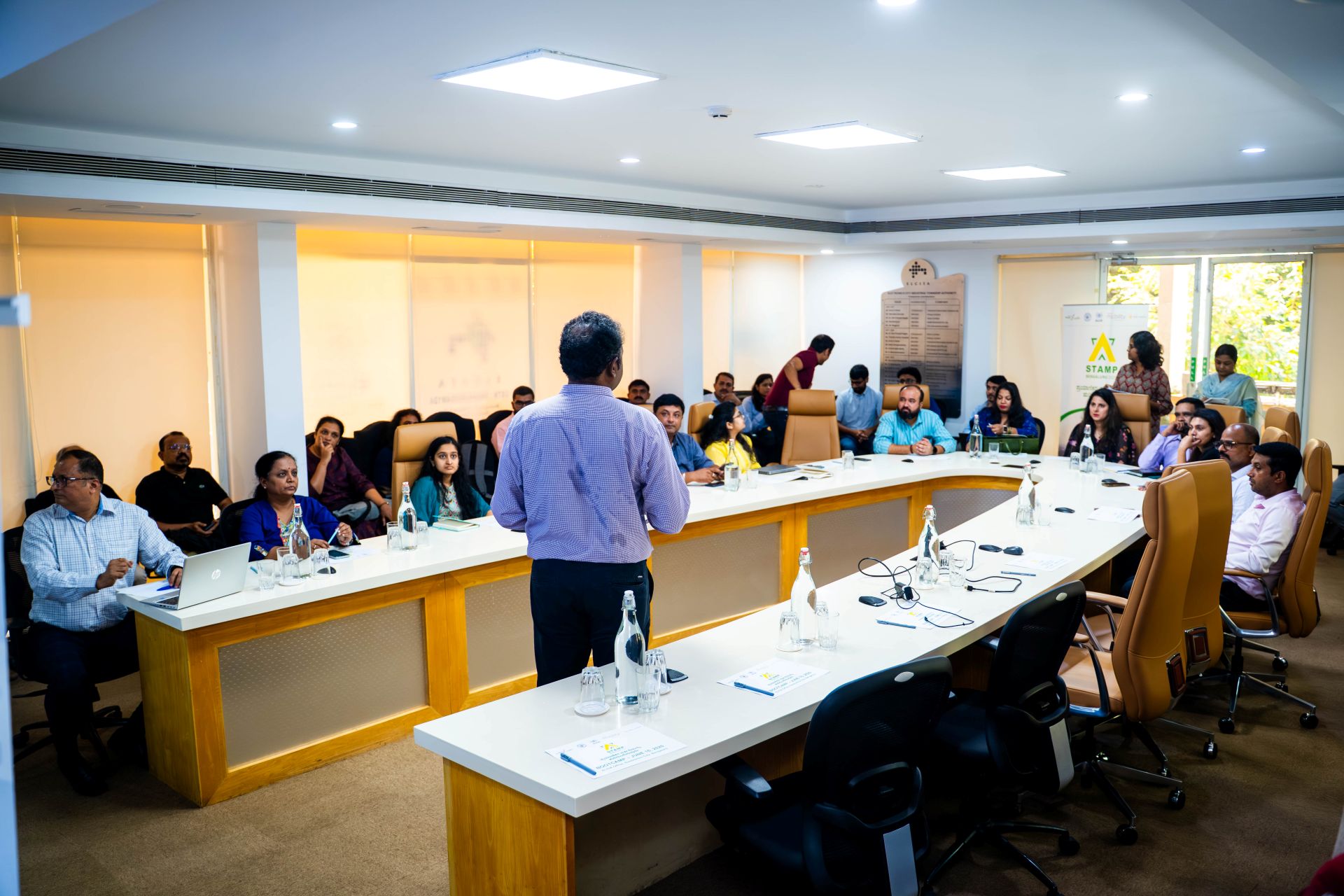
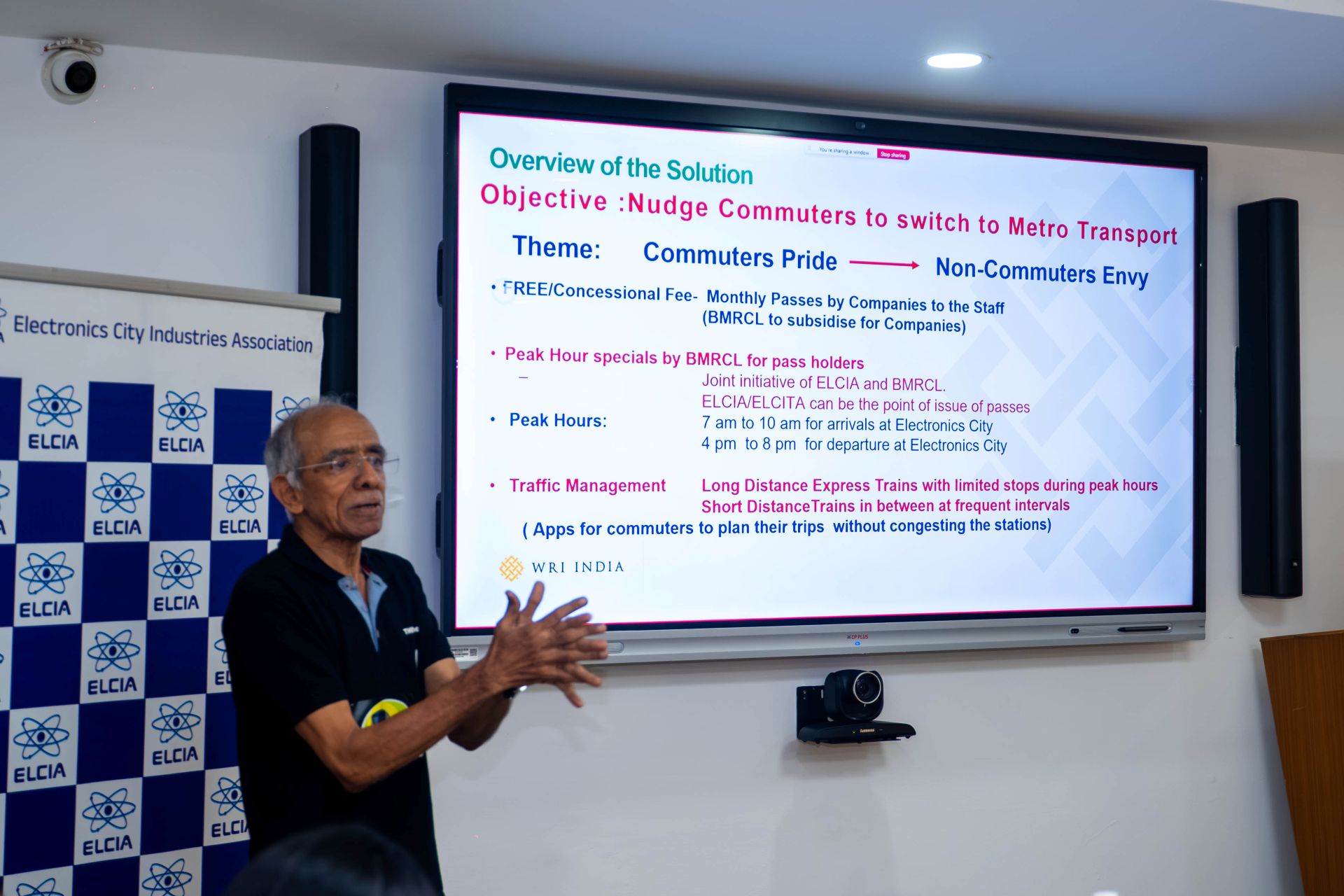
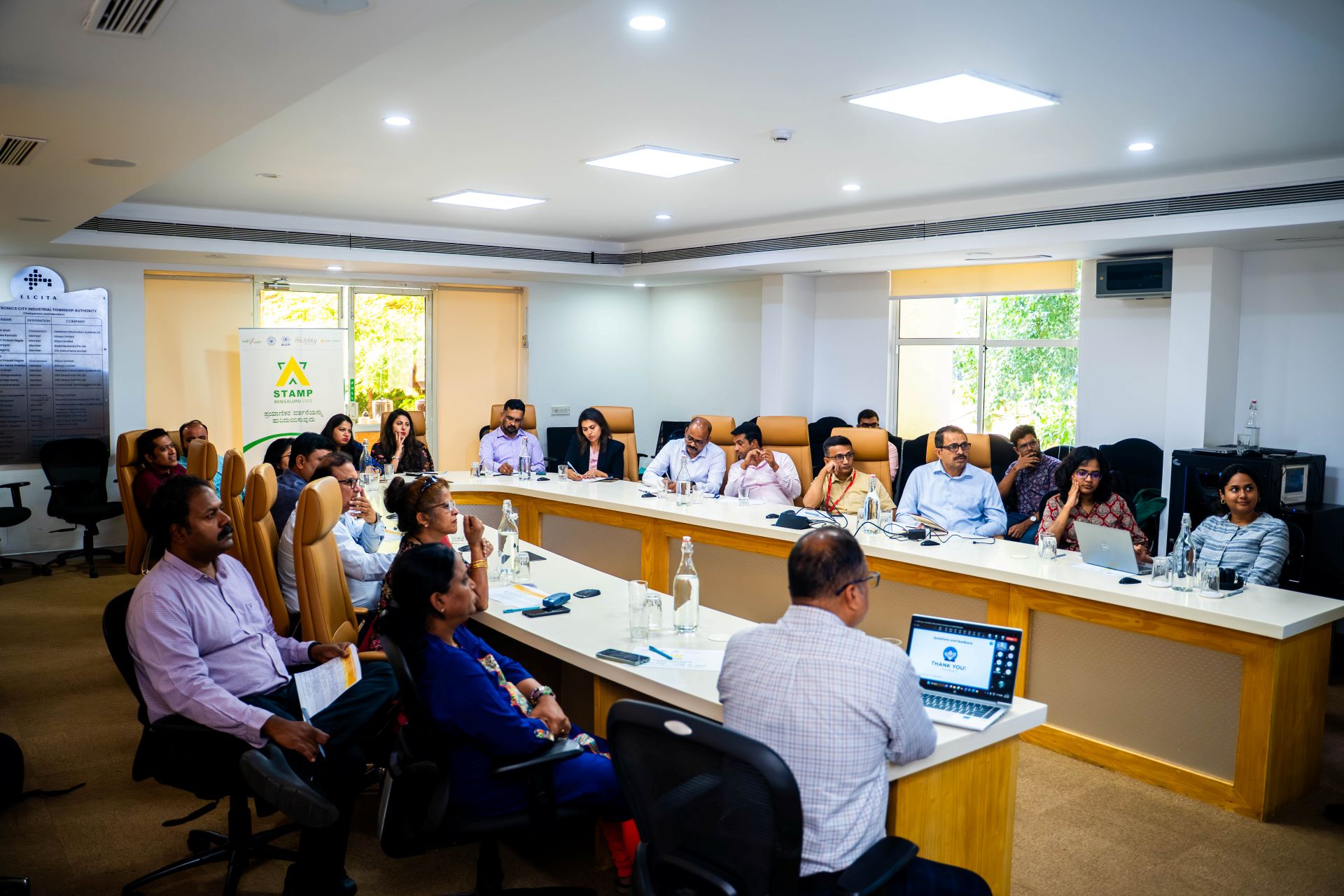
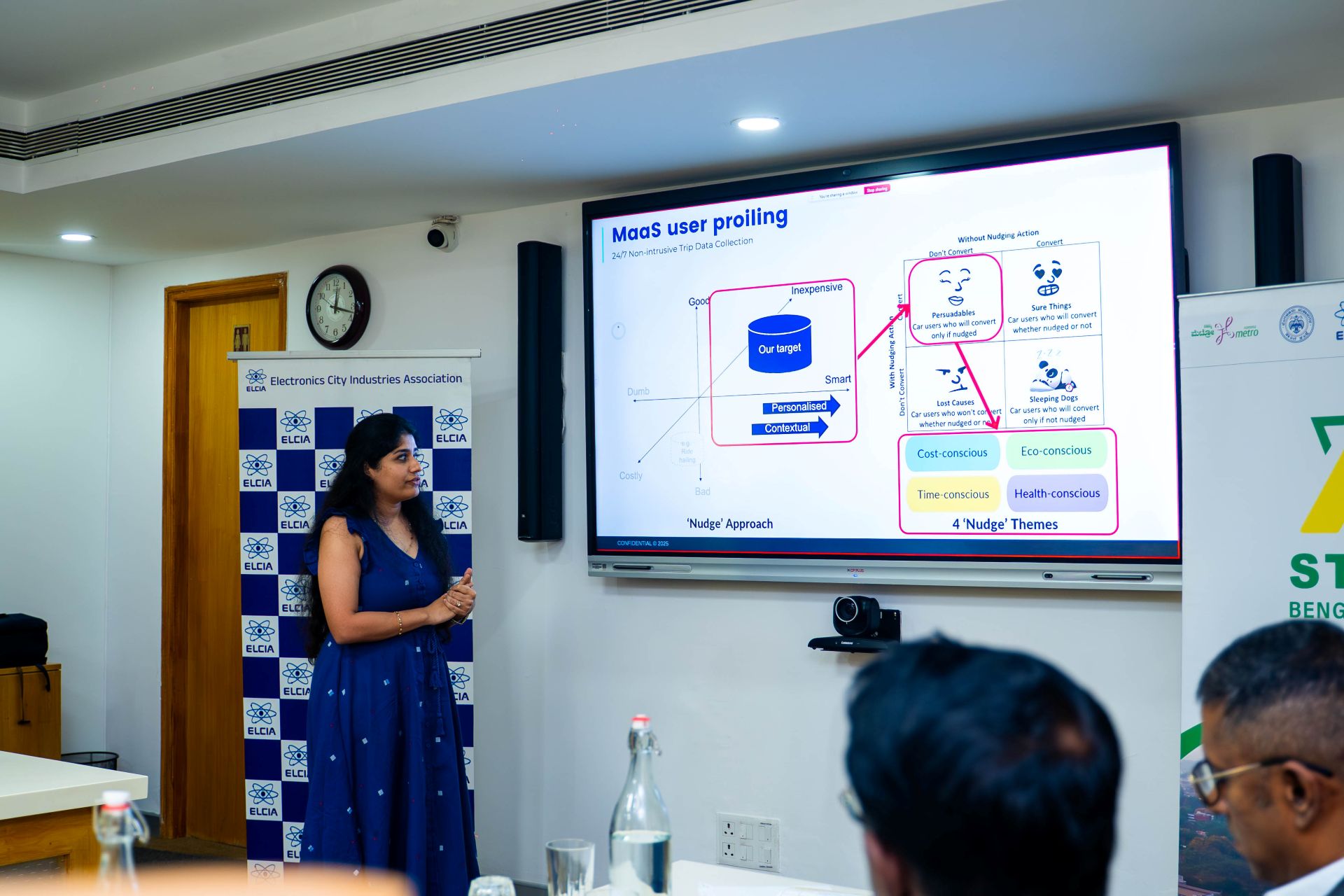
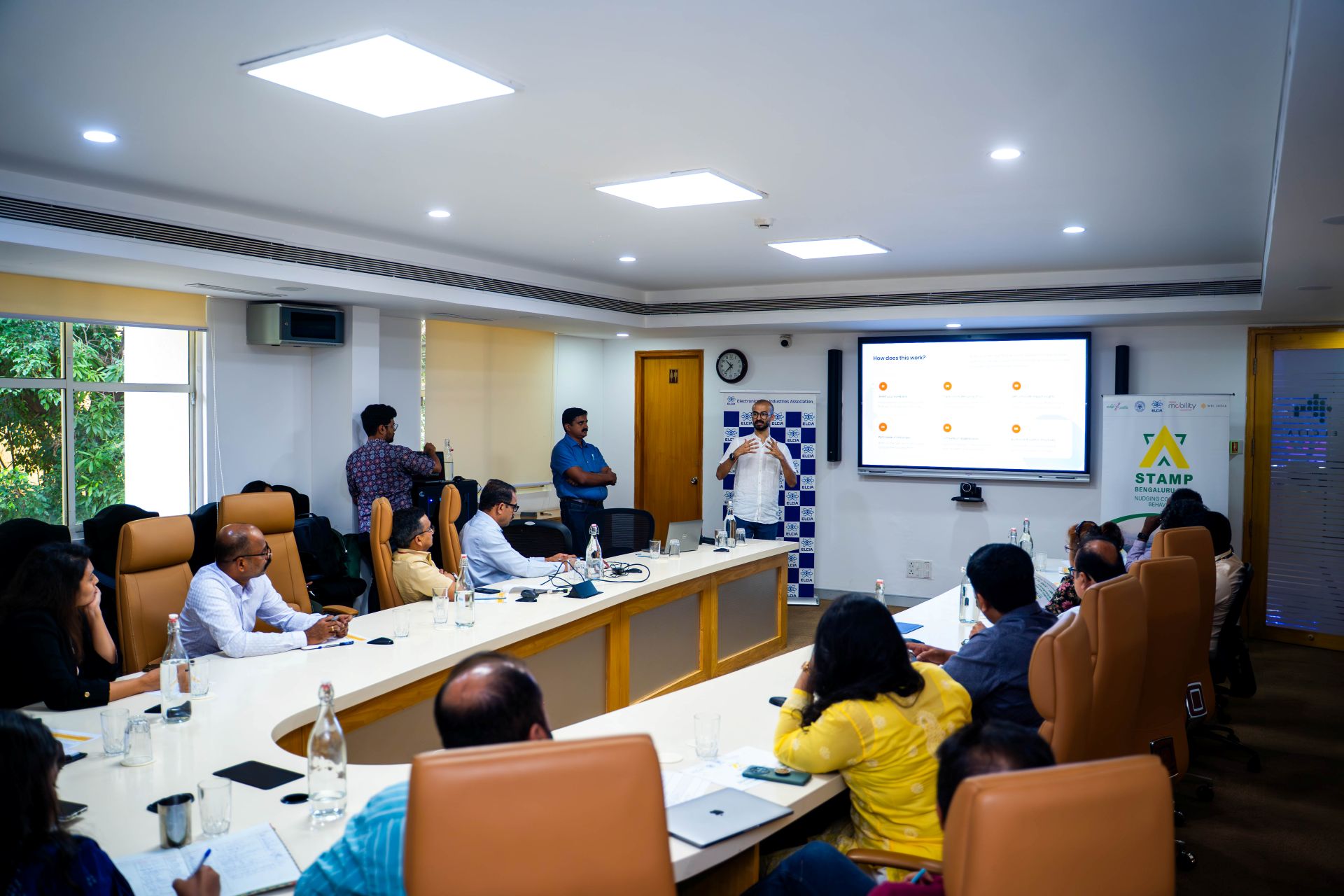
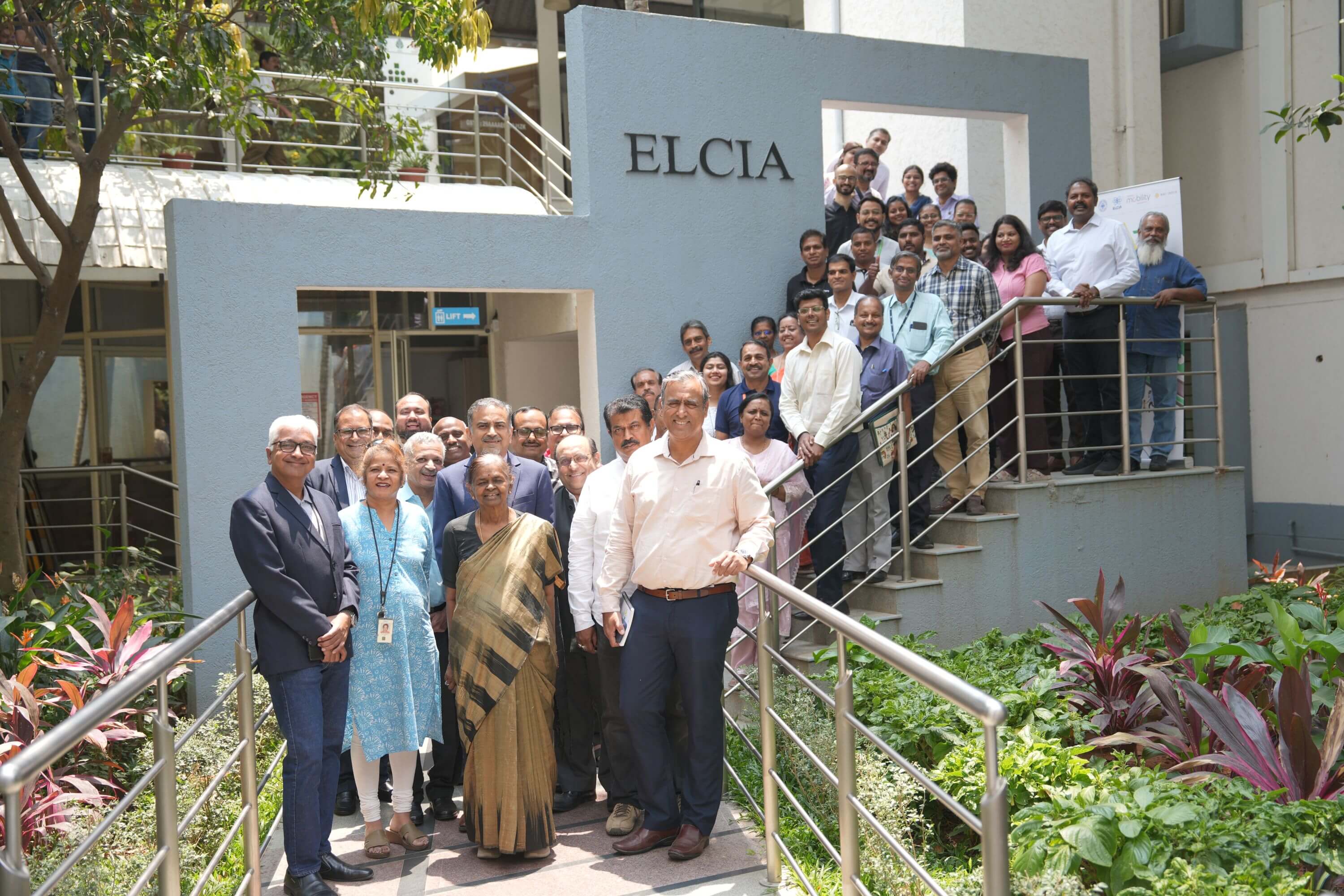
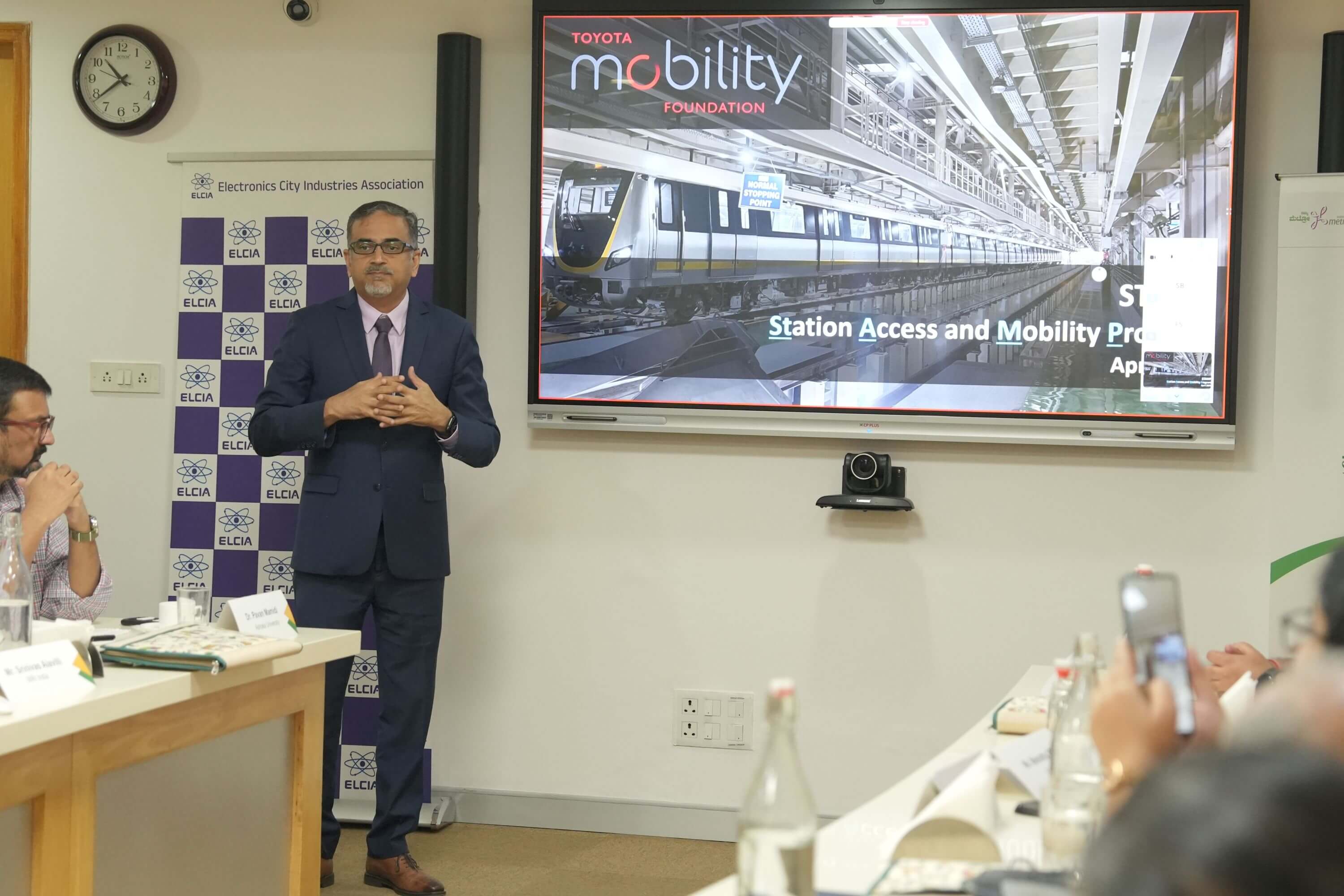
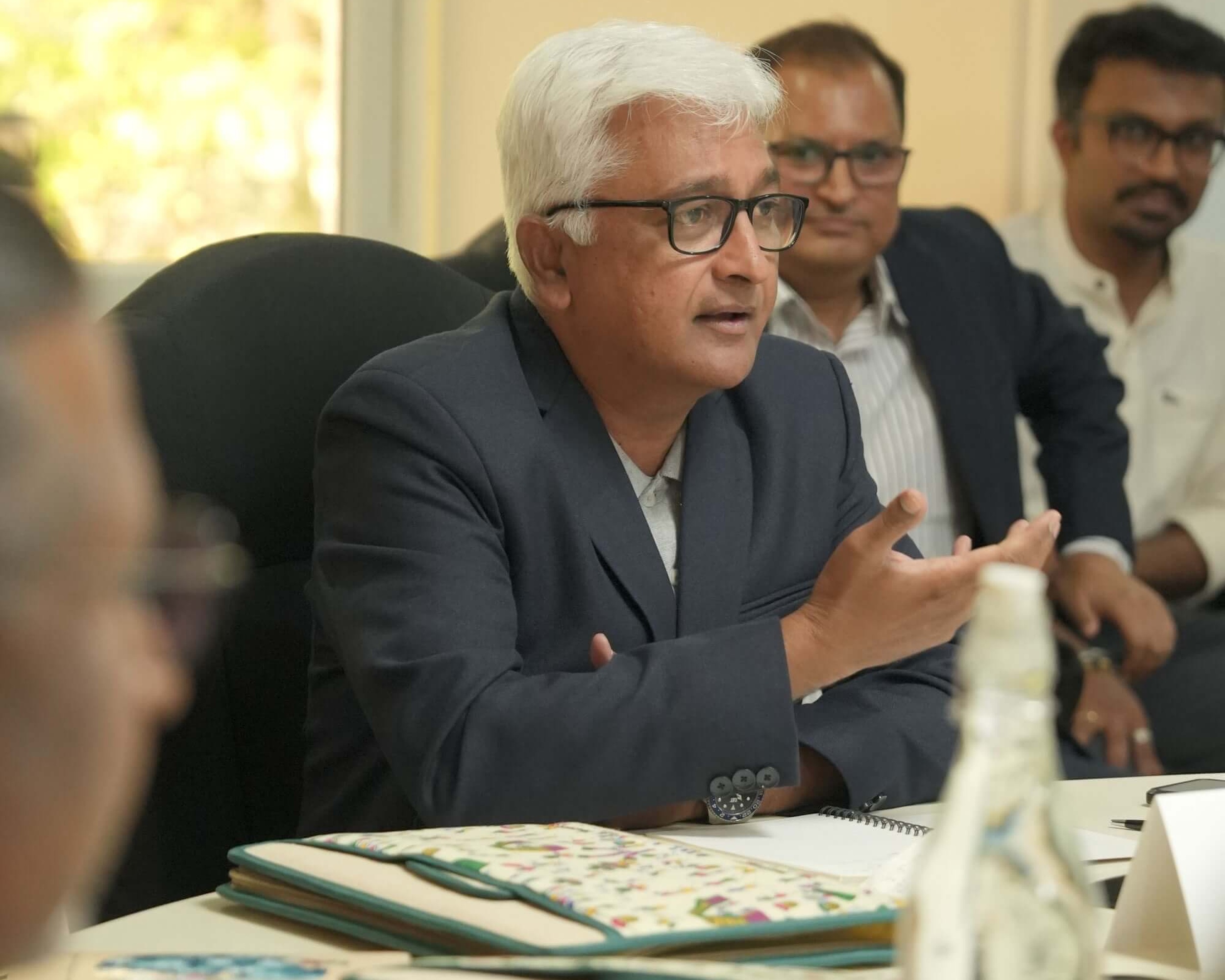
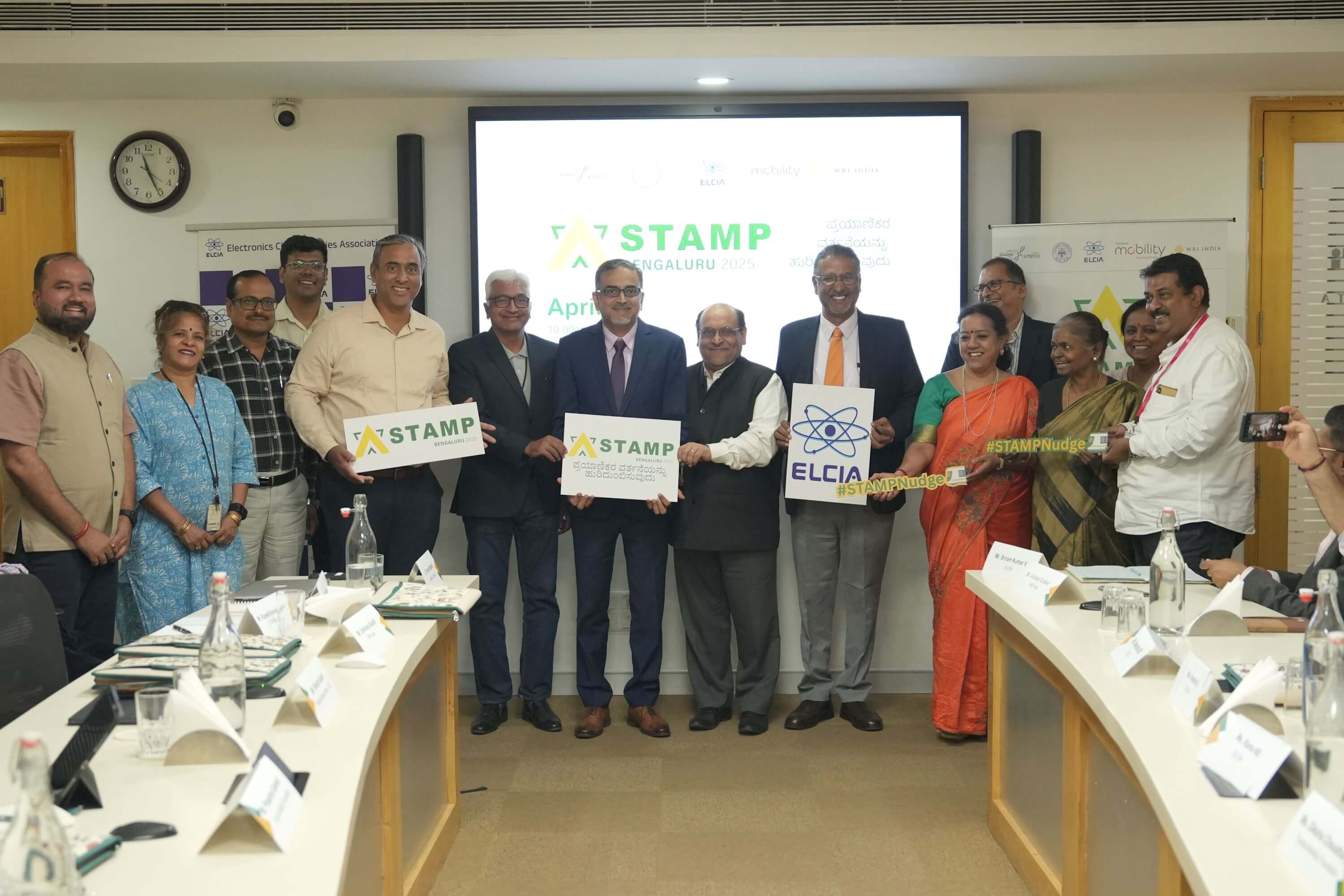
Launch at ELCIA, 2025
Partners
FAQ
▲ What is the STAMP: Nudging Commuter Behaviour’s Innovation Challenge?
STAMP: Nudging Commuter Behaviour aims to leverage behavioural science to encourage metro adoption. Expected outcomes from this challenge include increased public transport adoption among employees in Electronic City, reduced congestion and carbon emissions, and the development of a comprehensive report capturing the impact of various nudges.
Accordingly, the Innovation Challenge invites solutions that encourage commuters to use the metro through digital gamification, incentives, leaderboards or other behavioural nudges.
▼ Who is organizing the Innovation Challenge?
▼ Who can apply?
- Innovators
- Startups
- Tech enterprises
- Educational institutions
- ELCIA Member Companies
▼ Does the product have to be patented?
▼ Should the enterprise be registered in India?
▼ Can I enter as a consortium or with a co-entrant?
Applicants can enter as a consortium. Within a consortium, one organization must be designated as the lead entrant. The lead entrant must be a registered entity in India, responsible for contracting and receiving funds.
As is the case with individual applicants, consortiums are also required to collaborate with a member ELCIA company to deploy their solution.
▼ Can I submit more than one entry?
▼ What is the timeline for the Challenge?
- Application Deadline: May 2, 2025 (11:59 PM IST)
- First round of selection: May 9, 2025
- Interim jury (if needed): May 15, 2025
- Bootcamp for selected applicants: May 22, 2025
- Final jury: June 3, 2025
- Beta launch: July 3, 2025
- Pilot launch: August 4, 2025
▼ How can I enter the Challenge?
Submit your application via the online entry form before the deadline on May 2, 2025.
You can find the online entry form here.
▼ What is the evaluation process?
- Relevance to the problem statement
- Scalability of the solution
- Applicant’s prior work in their domain
- Team strength
▼ What happens if my solution is selected?
▼ How is the Challenge funded?
▼ What grant funding is available and how can it be used?
▼ In what language should my entry be in, and what language will the Innovation Challenge be run in?
▼ Who is the Toyota Mobility Foundation?
The Toyota Mobility Foundation (TMF) was established in August 2014 by the Toyota Motor Corporation (Toyota) to support the development of a more mobile society in which everyone can move freely.
The Foundation underscores Toyota’s ongoing commitment to continuous improvement and respect for people. It utilizes Toyota’s expertise and technologies to support strong mobility systems while eliminating disparities in mobility. TMF works in partnership with universities, governments, non-profits, research institutions and other organizations, creating programs that are aligned with the UN Sustainable Development Goals (SDGs) to address mobility issues around the world.
In the past, TMF has led a range of Innovation Challenges, including the global Mobility Unlimited Challenge, CATCH in Malaysia and InoveMob Challenge in Brazil. You can find out more about TMF and how it is governed at toyotamobilityfoundation.org
▼ Who is WRI India?
WRI India, an independent charity legally registered as the India Resources Trust, provides objective information and practical proposals to foster environmentally sound and socially equitable development. WRI India’s work focuses on building sustainable and liveable cities and working towards a low carbon economy. Through research, analysis, and recommendations, WRI India puts ideas into action to build transformative solutions to protect the earth, promote livelihoods, and enhance human well-being.
WRI India is inspired by and associated with World Resources Institute (WRI), a global research organisation with more than 1,000 experts and other staff around the world. World Resources Institute began in Washington, DC, in 1982 to provide cutting edge analysis to address global environment and development challenges. WRI spans more than 60 countries, with offices in Brazil, China, Europe, Mexico, India, Indonesia, and the United States. In all of these locations, WRI works with government, business, and civil society to drive ambitious action based on high-quality data and objective analysis. Visit them at https://wri-india.org/